
Animals of South America
South America spent most of the last sixty million years as an island continent, and it evolved a mammal fauna unlike anywhere else — marsupials, sloths, anteaters, armadillos and an enormous radiation of rodents that includes the capybara, the largest in the world. When the Isthmus of Panama closed around three million years ago, North American carnivores and hoofed animals moved in and much of the endemic fauna disappeared. What survived that exchange is what the continent still holds.
The Amazon Basin dominates the map, and it dominates the species counts: more mammal species live there than in any comparable area on Earth, most of them bats, rodents and primates, many known from a handful of localities. The Andes run the entire length of the continent and act as a second centre of endemism, stacking distinct faunas on top of each other every few hundred metres of altitude — which is why so many Andean species have ranges measured in tens of square kilometres. Between and around them sit biomes that get far less attention and are in worse condition: the Cerrado savannas, the Chaco dry forest, the Atlantic Forest of coastal Brazil, and the Patagonian steppe.
The Atlantic Forest is the clearest case of what fragmentation does. It has been reduced to roughly a tenth of its original extent, in patches, and its endemic primates — muriquis, lion tamarins, howler monkeys — now appear on the map as scattered dots rather than a range. Several of them exist only because individual reserves were created for them.
- Species mapped
- 232
- Countries covered
- 14
- Threatened species
- 55
- Data updated
- August 9, 2026
Conservation status of these species
Countries covered
The 14 countries whose name appears in at least one Red List range description in this dataset, with the number of species recorded in each. A wide-ranging animal is counted in every country it crosses.
The families found here
- Cricetidae 74
- Phyllostomidae 29
- Atelidae 9
- Cebidae 9
- Pitheciidae 9
- Chlamyphoridae 7
- Callitrichidae 6
- Cervidae 5
- Didelphidae 5
- Felidae 5
- Otariidae 5
- Canidae 4
Species to know
48 of the 232 species recorded here, threatened ones first. Select any of them to open it on the globe.

Amazon River Dolphin
Inia geoffrensis
Endangered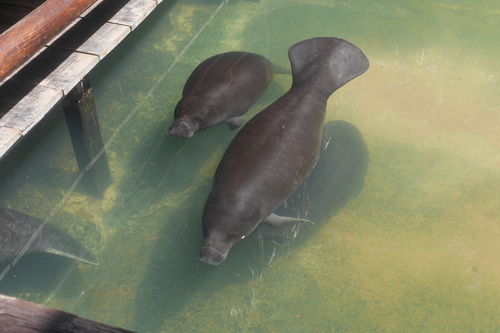
Amazonian Manatee
Trichechus inunguis
Vulnerable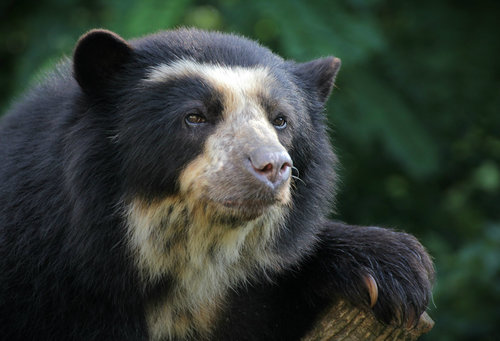
Andean Bear
Tremarctos ornatus
Vulnerable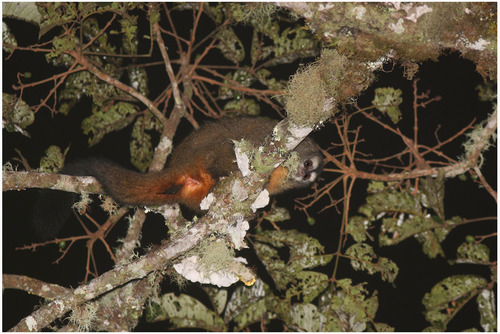
Andean Night Monkey
Aotus miconax
Endangered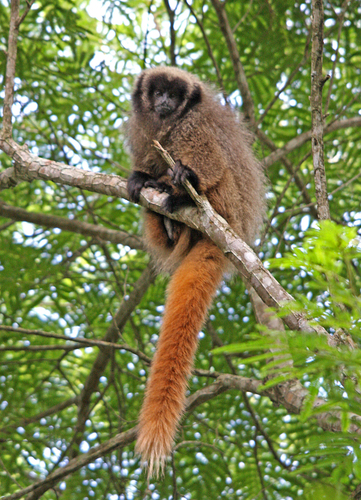
Atlantic Titi
Callicebus personatus
Vulnerable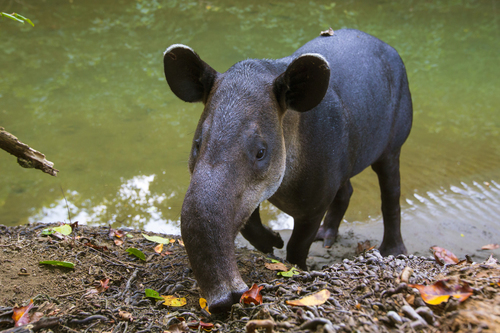
Baird's Tapir
Tapirus bairdii
Endangered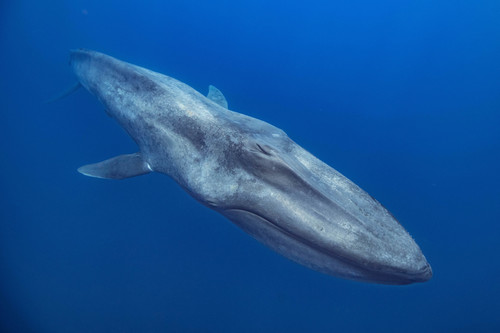
Blue Whale
Balaenoptera musculus
Endangered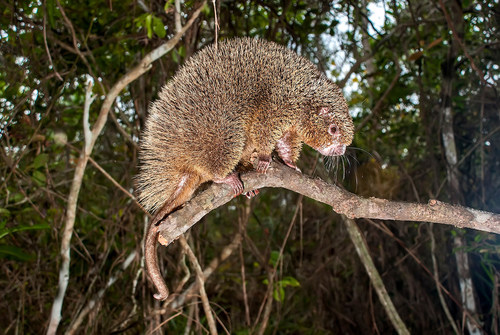
Bristle-spined Rat
Chaetomys subspinosus
Vulnerable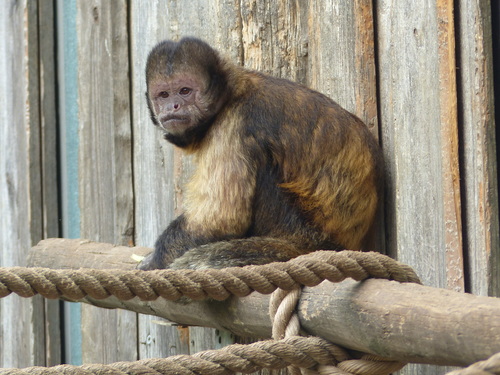
Buff-headed Capuchin
Sapajus xanthosternos
Critically Endangered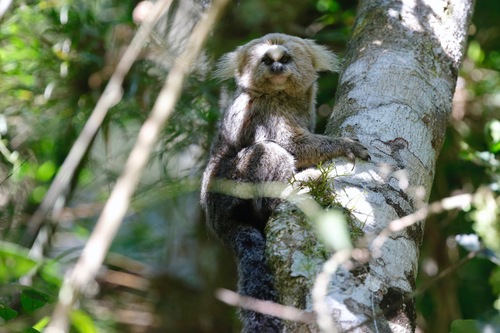
Buffy-headed Marmoset
Callithrix flaviceps
Critically Endangered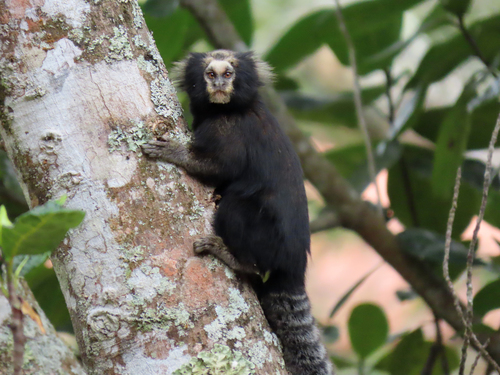
Buffy-tufted-ear Marmoset
Callithrix aurita
Endangered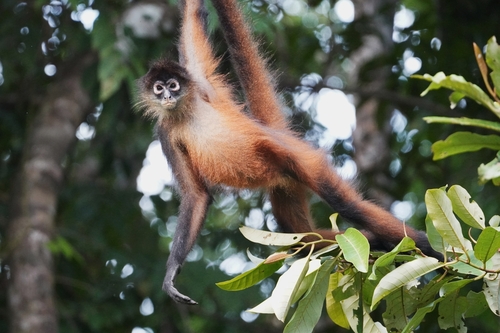
Central American Spider Monkey
Ateles geoffroyi
Endangered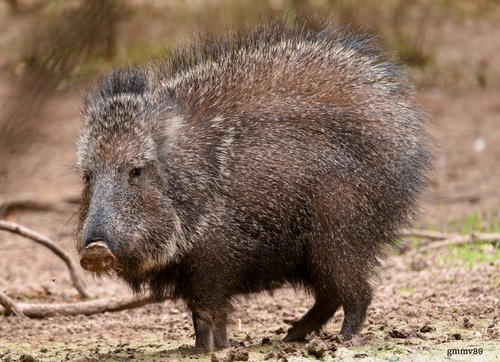
Chacoan Peccary
Catagonus wagneri
Endangered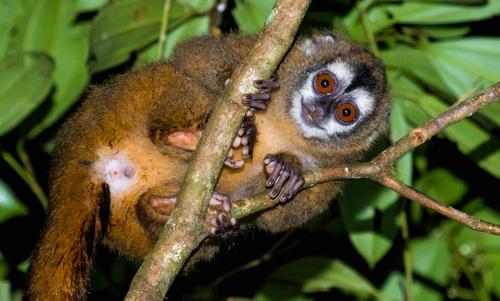
Colombian Night Monkey
Aotus lemurinus
Vulnerable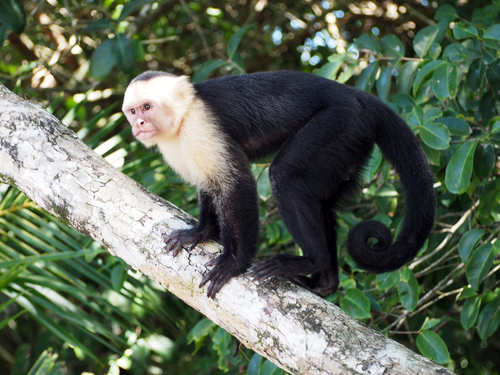
Colombian White-throated Capuchin
Cebus capucinus
Vulnerable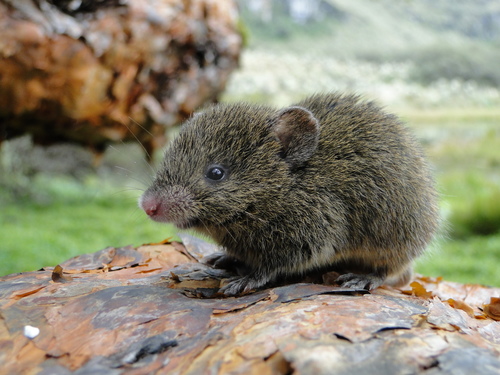
Ecuadorean Grass Mouse
Neomicroxus latebricola
Endangered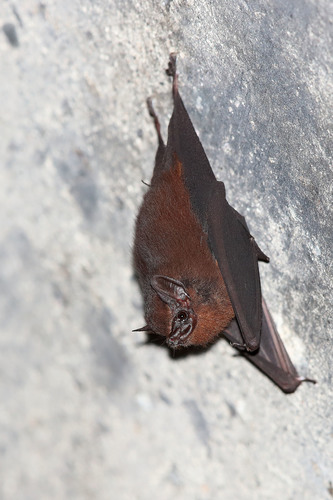
Ecuadorian Sac-winged Bat
Balantiopteryx infusca
Vulnerable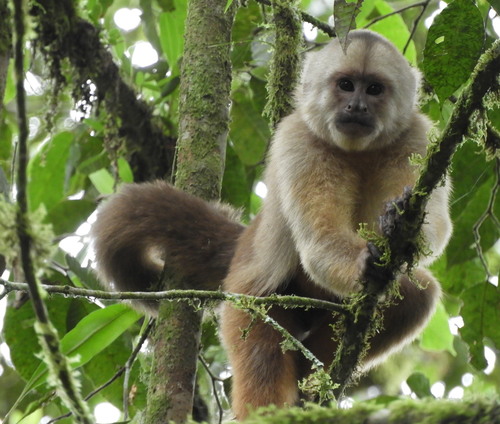
Ecuadorian White-fronted Capuchin
Cebus aequatorialis
Critically Endangered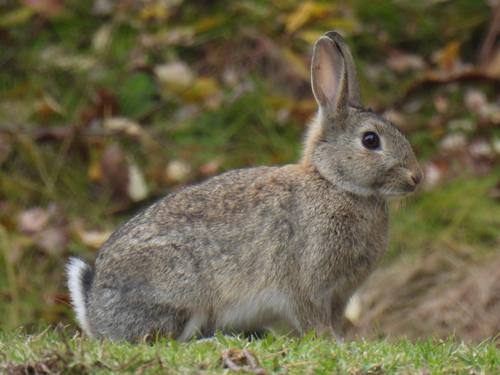
European Rabbit
Oryctolagus cuniculus
Endangered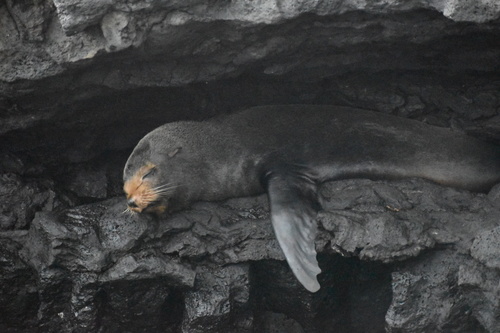
Galápagos Fur Seal
Arctocephalus galapagoensis
Endangered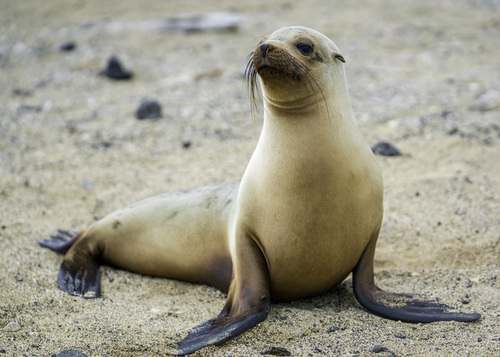
Galápagos Sea Lion
Zalophus wollebaeki
Endangered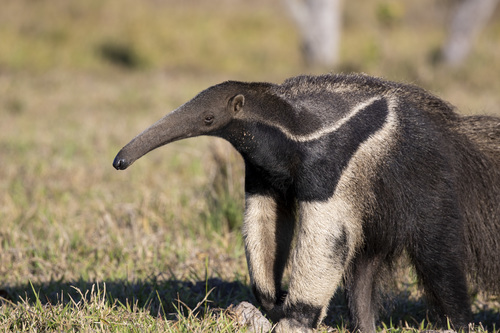
Giant Anteater
Myrmecophaga tridactyla
Vulnerable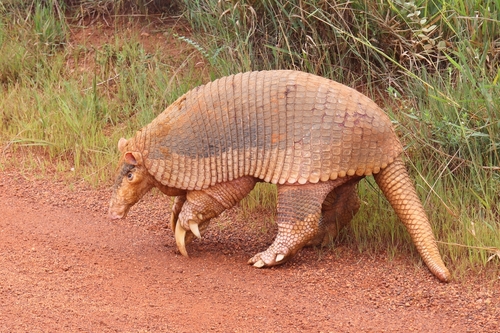
Giant Armadillo
Priodontes maximus
Vulnerable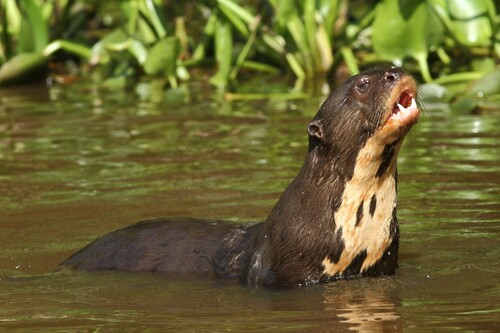
Giant Otter
Pteronura brasiliensis
Endangered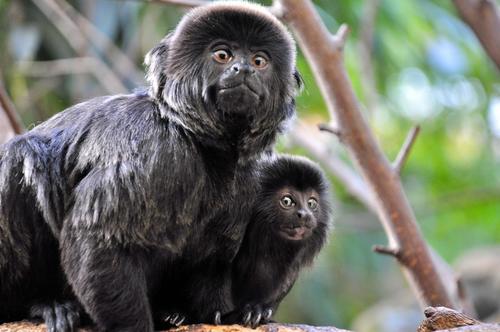
Goeldi's Monkey
Callimico goeldii
Vulnerable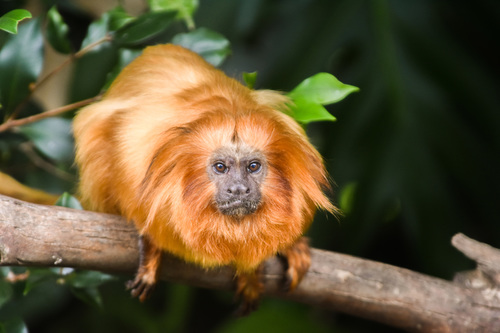
Golden Lion Tamarin
Leontopithecus rosalia
Endangered
Greater Long-tailed Bat
Choeroniscus periosus
Vulnerable
Grey-handed Night Monkey
Aotus griseimembra
Vulnerable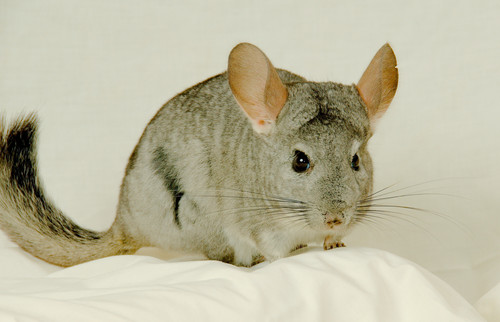
Long-tailed Chinchilla
Chinchilla laniger
Endangered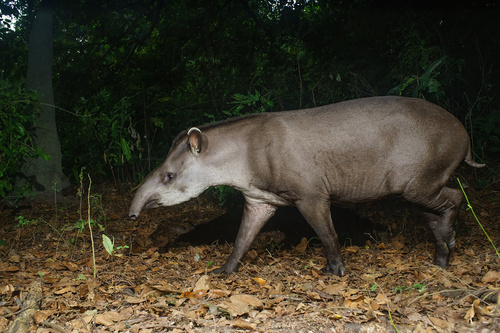
Lowland Tapir
Tapirus terrestris
Vulnerable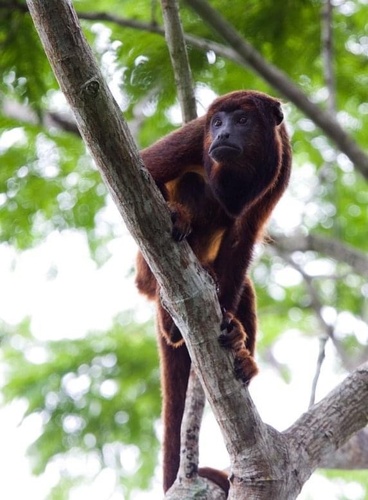
Maranhão Red-handed Howler Monkey
Alouatta ululata
Endangered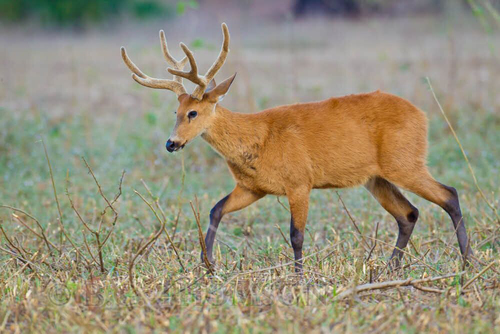
Marsh Deer
Blastocerus dichotomus
Vulnerable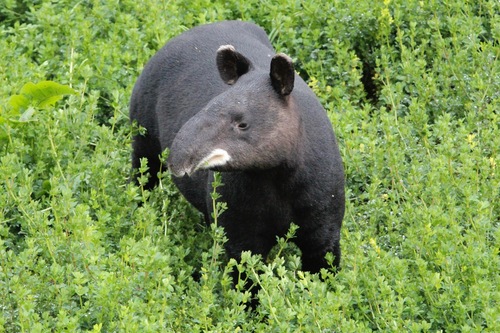
Mountain Tapir
Tapirus pinchaque
Endangered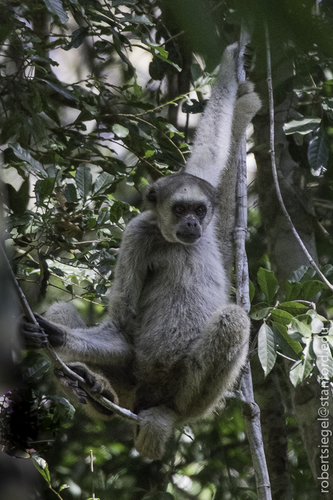
Northern Muriqui
Brachyteles hypoxanthus
Critically Endangered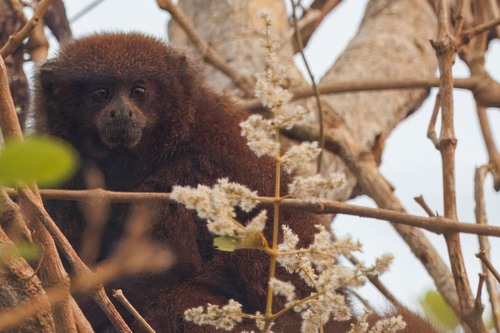
Olalla Brothers' Titi
Plecturocebus olallae
Critically Endangered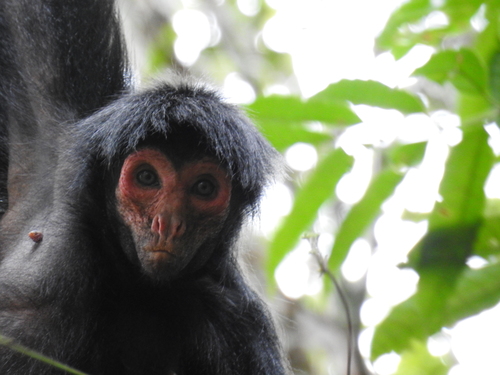
Red-faced Black Spider Monkey
Ateles paniscus
Vulnerable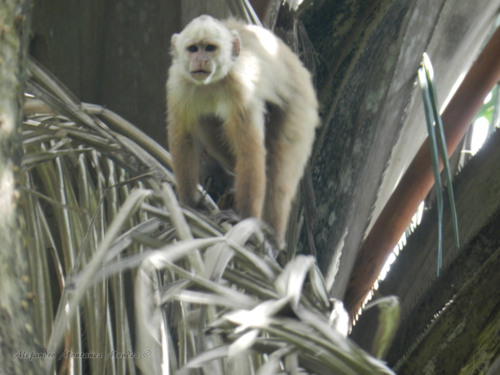
Río Cesar White-fronted Capuchin
Cebus cesarae
Endangered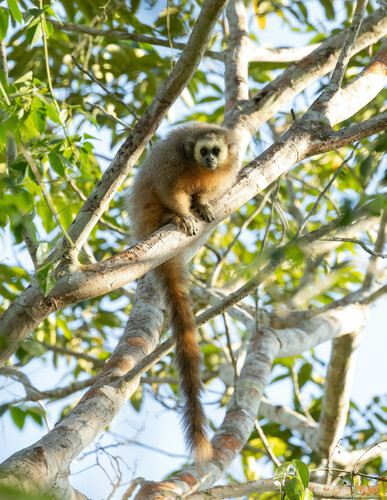
San Martin Titi Monkey
Plecturocebus oenanthe
Critically Endangered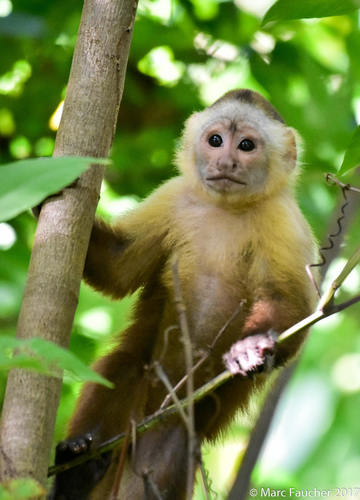
Santa Marta White-fronted Capuchin
Cebus malitiosus
Endangered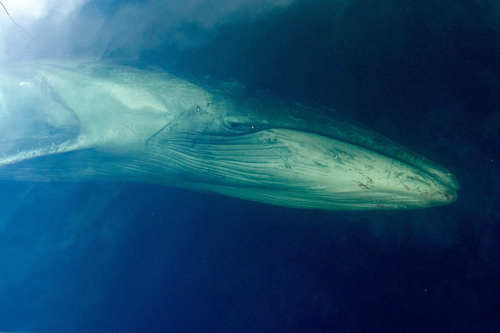
Sei Whale
Balaenoptera borealis
Endangered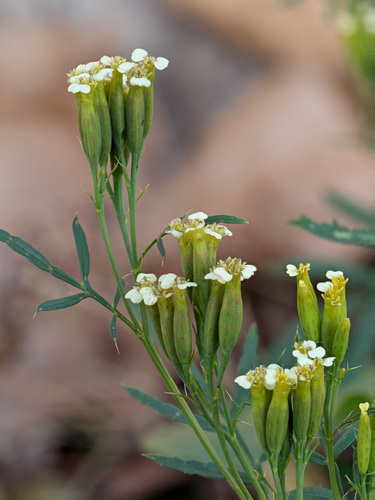
Short-tailed Chinchilla
Chinchilla chinchilla
Endangered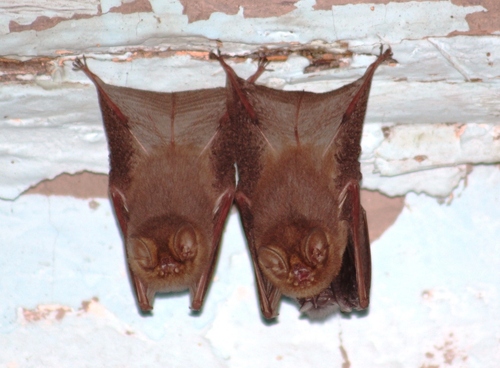
Smoky Bat
Amorphochilus schnablii
Vulnerable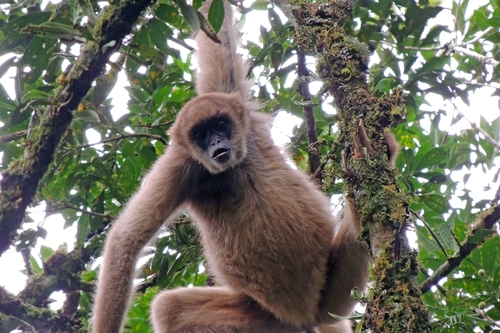
Southern Muriqui
Brachyteles arachnoides
Critically Endangered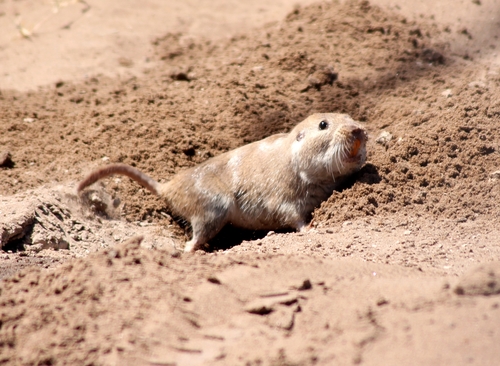
Southern Tuco-tuco
Ctenomys australis
Endangered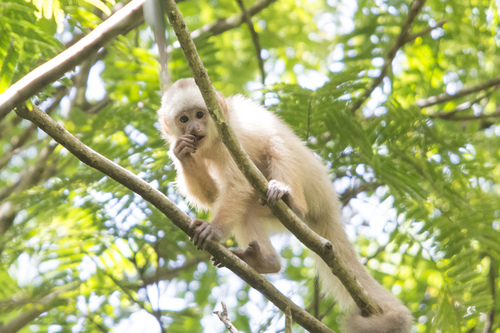
Trinidad White-fronted Capuchin
Cebus trinitatis
Critically Endangered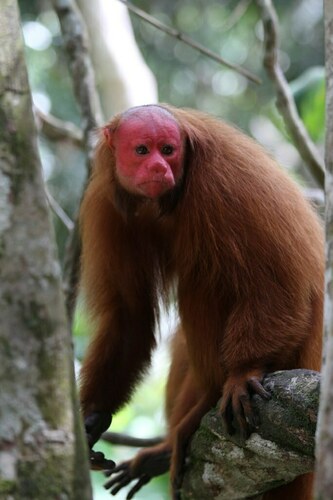
Ucayali Bald-headed Uacari
Cacajao ucayalii
Vulnerable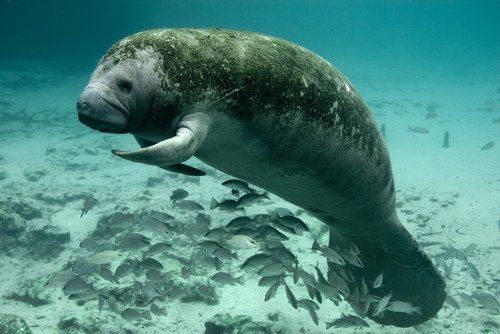
West Indian Manatee
Trichechus manatus
Vulnerable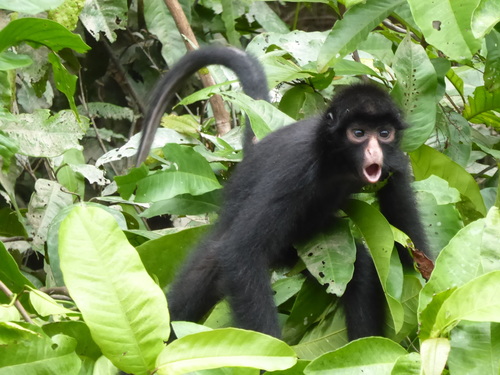
White-bellied Spider Monkey
Ateles belzebuth
Endangered
Other continents
Counts recomputed from the mapped dataset; countries are derived from the range descriptions of each assessment. Species data from the IUCN Red List, last refreshed on .