
Vulnerable animals
VU · IUCN Red List data, updated August 9, 2026
567 of the 6036 mammal species mapped on Animal World Map are listed as Vulnerable on the IUCN Red List — 9% of the dataset. They are recorded across 6 continents, most of them in Asia.
The species faces a high risk of extinction in the wild. It is the first of the three threatened categories: numbers are falling, the range is shrinking, or the population is small enough that a single bad event could do lasting damage.
Where Vulnerable sits on the scale
Vulnerable species by continent
A species is counted on every continent where its Red List range description places it, so a wide-ranging animal appears more than once. The totals below therefore add up to more than 567.
How many are left
Population estimates are quoted as the assessments word them, hedges included. Most species in this category have no reliable count at all, and the ones that do are usually stated as a bound rather than a figure — which is why they are not turned into a ranking here.
Aders' Duiker Cephalophus adersi
Total population estimated at fewer than a few thousand individuals, with the Zanzibar population possibly numbering only a few hundred.
African Manatee Trichechus senegalensis
Estimated at fewer than 10,000 mature individuals, with a declining population trend across most of its range.
Amazonian Manatee Trichechus inunguis
Estimated at fewer than 10,000 mature individuals, with a continuing declining trend across much of its range.
Andaman Spiny Shrew Crocidura hispida
No reliable population estimate exists.
Andean Bear Tremarctos ornatus
Estimated total population is between 2500 and 10000 mature individuals, with a decreasing population trend across most of its range.
Angolan Colobus Colobus angolensis
Exact global population figures are not well documented, but overall numbers are believed to be declining.
Aoudad Ammotragus lervia
The native wild population is poorly quantified but estimated at fewer than 10,000 mature individuals, with a declining trend.
Arabian Oryx Oryx leucoryx
Approximately 1,220 mature individuals in the wild as of recent assessments, with total population including captive and semi-captive herds exceeding 7,000-8,000 individuals.
The families most affected
- Bovidae 11
- Felidae 10
- Soricidae 10
- Cercopithecidae 7
- Cervidae 6
- Ursidae 6
- Muridae 4
- Cricetidae 3
- Pitheciidae 3
- Pteropodidae 3
60 of the 567 Vulnerable species
Select any of them to open it on the globe and read its full assessment: range, habitat, diet, threats and the conservation work under way.
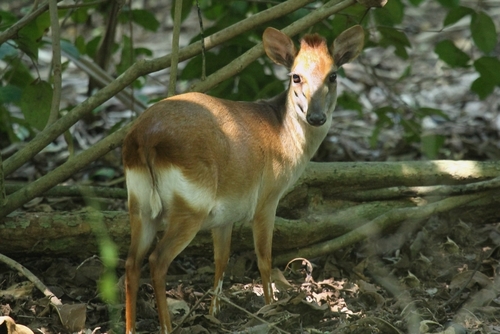
Aders' Duiker
Cephalophus adersi
Vulnerable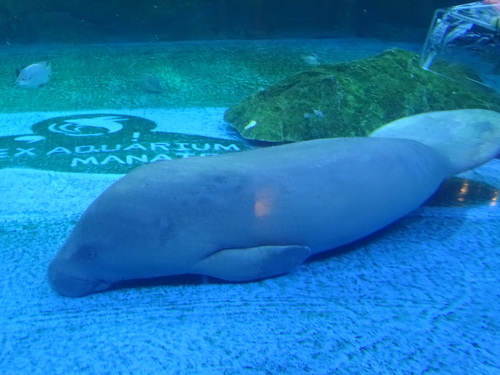
African Manatee
Trichechus senegalensis
Vulnerable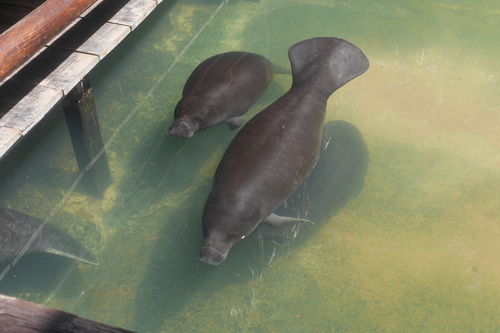
Amazonian Manatee
Trichechus inunguis
Vulnerable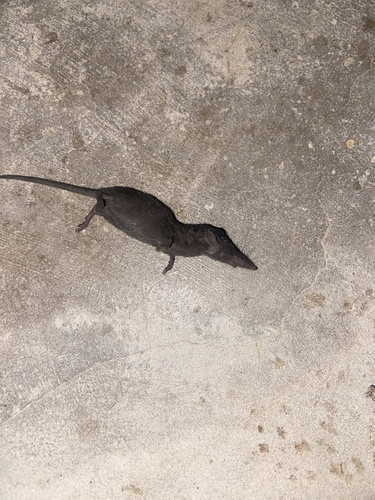
Andaman Spiny Shrew
Crocidura hispida
Vulnerable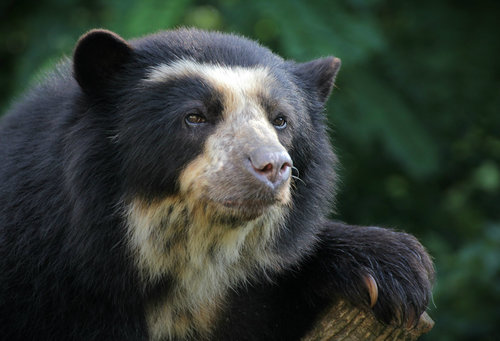
Andean Bear
Tremarctos ornatus
Vulnerable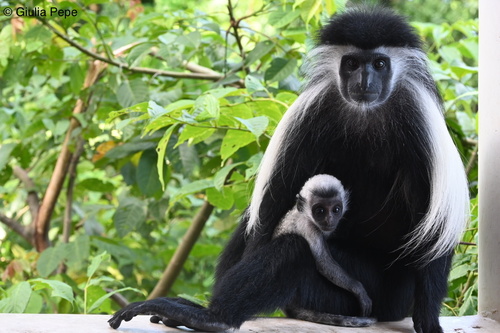
Angolan Colobus
Colobus angolensis
Vulnerable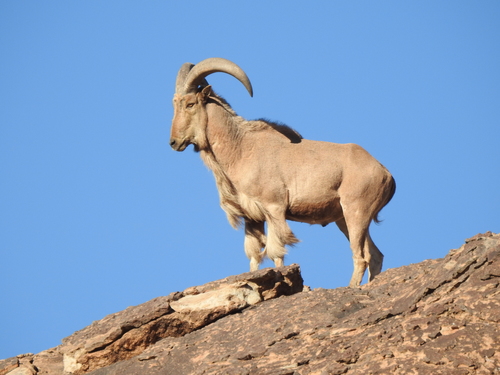
Aoudad
Ammotragus lervia
Vulnerable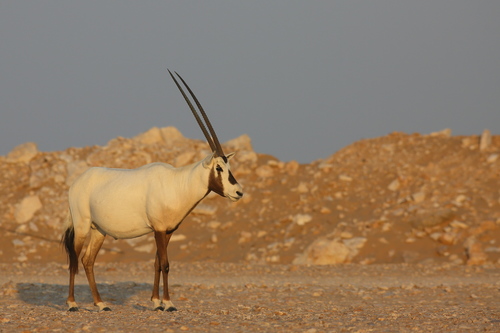
Arabian Oryx
Oryx leucoryx
Vulnerable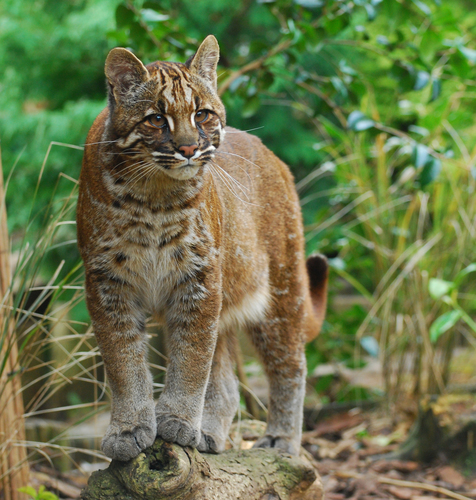
Asian Golden Cat
Catopuma temminckii
Vulnerable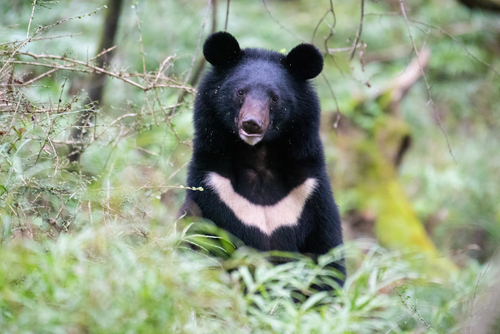
Asiatic Black Bear
Ursus thibetanus
Vulnerable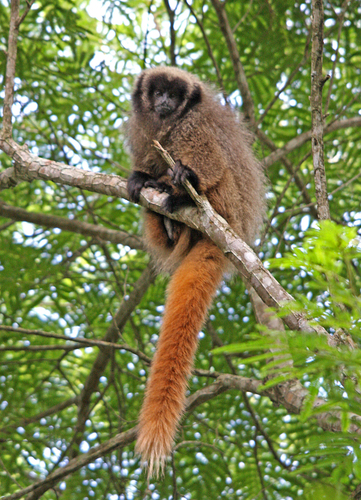
Atlantic Titi
Callicebus personatus
Vulnerable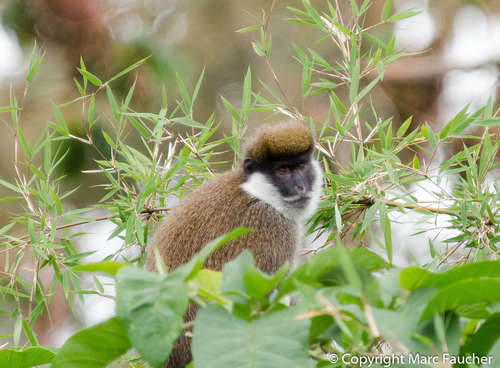
Bale Monkey
Chlorocebus djamdjamensis
Vulnerable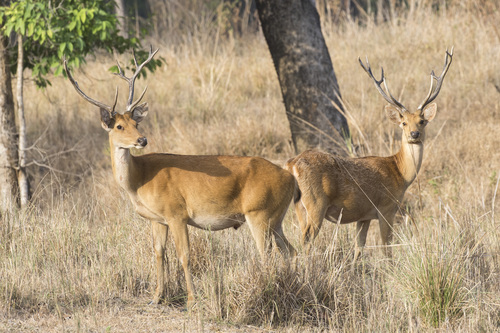
Barasingha
Rucervus duvaucelii
Vulnerable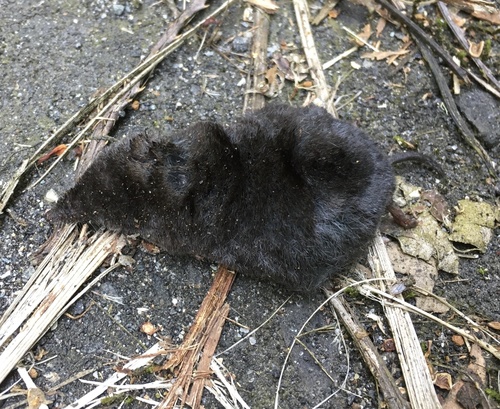
Big Mexican Small-eared Shrew
Cryptotis magna
Vulnerable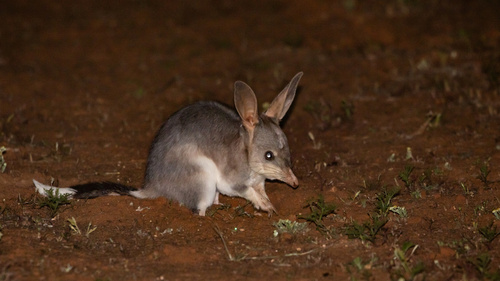
Bilby
Macrotis lagotis
Vulnerable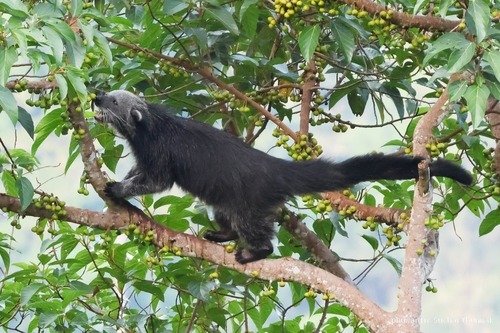
Binturong
Arctictis binturong
Vulnerable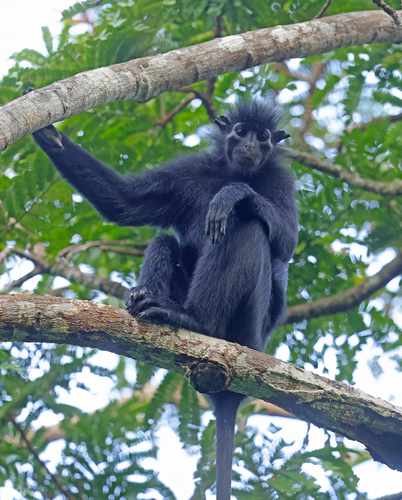
Black Colobus
Colobus satanas
Vulnerable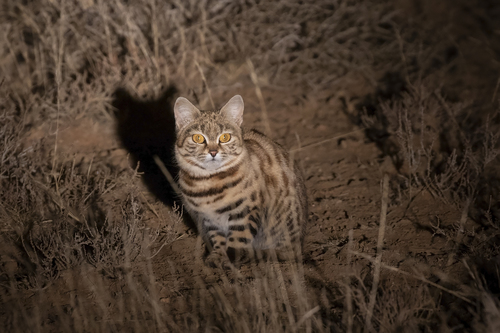
Black-footed Cat
Felis nigripes
Vulnerable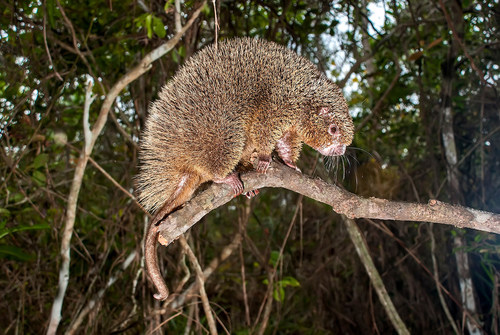
Bristle-spined Rat
Chaetomys subspinosus
Vulnerable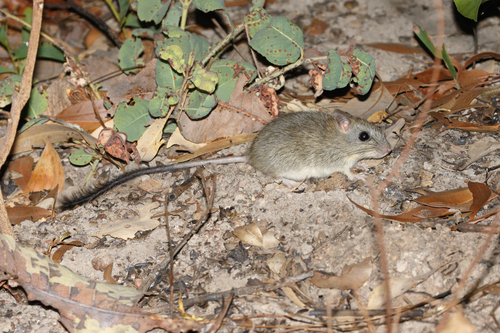
Brush-tailed Rabbit-rat
Conilurus penicillatus
Vulnerable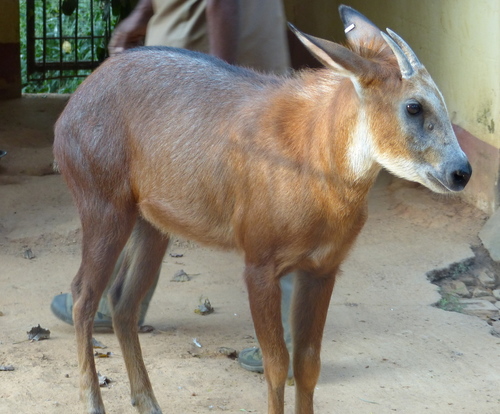
Burmese Red Serow
Capricornis rubidus
VulnerableCentral Kashmir Vole
Alticola montosa
Vulnerable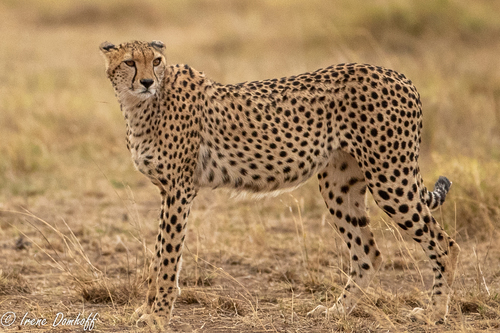
Cheetah
Acinonyx jubatus
Vulnerable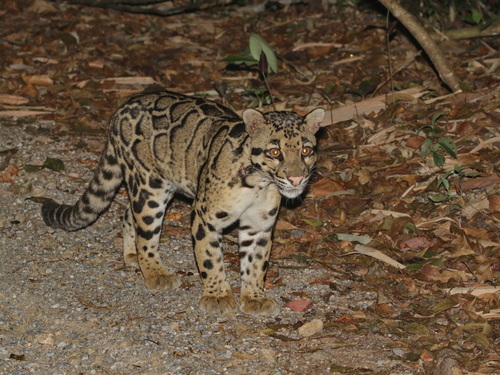
Clouded Leopard
Neofelis nebulosa
Vulnerable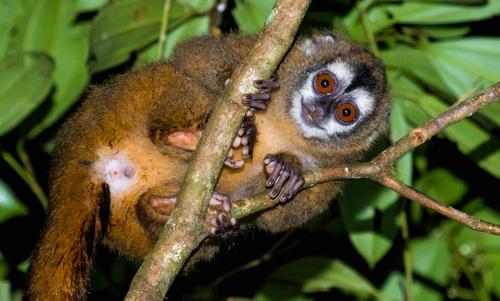
Colombian Night Monkey
Aotus lemurinus
Vulnerable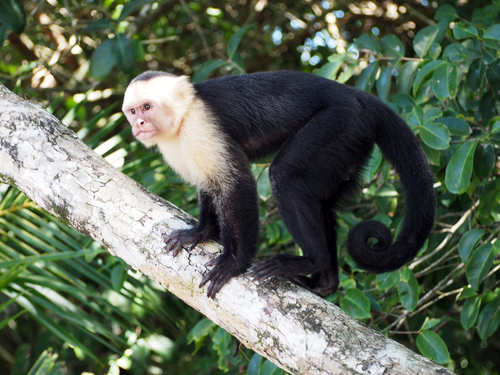
Colombian White-throated Capuchin
Cebus capucinus
Vulnerable
Common Hippopotamus
Hippopotamus amphibius
Vulnerable
Desperate Shrew
Crocidura desperata
Vulnerable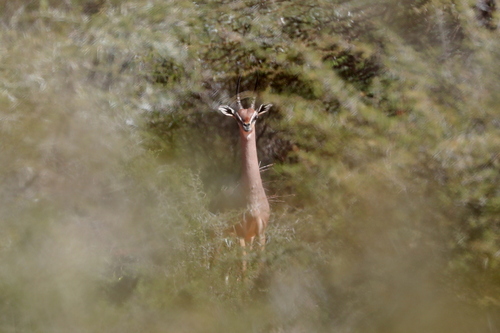
Dibatag
Ammodorcas clarkei
Vulnerable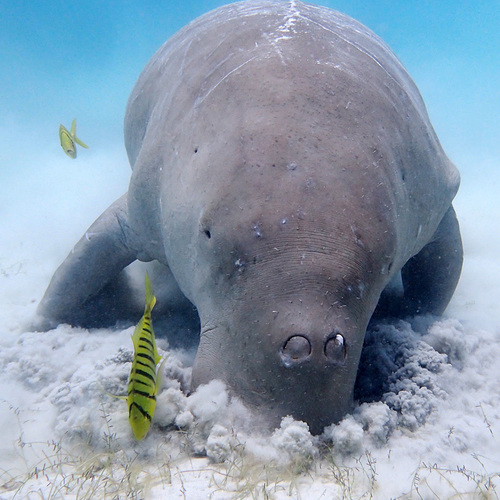
Dugong
Dugong dugon
Vulnerable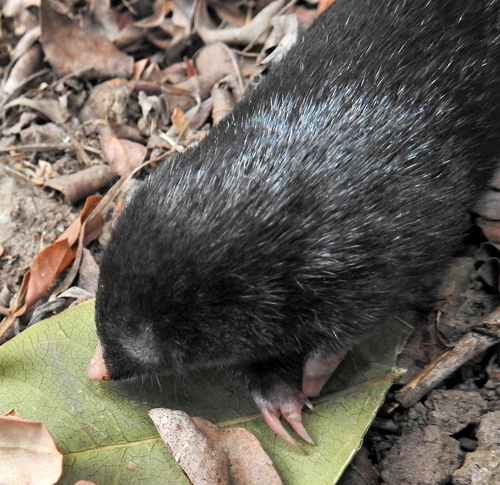
Duthie's Golden Mole
Chlorotalpa duthieae
Vulnerable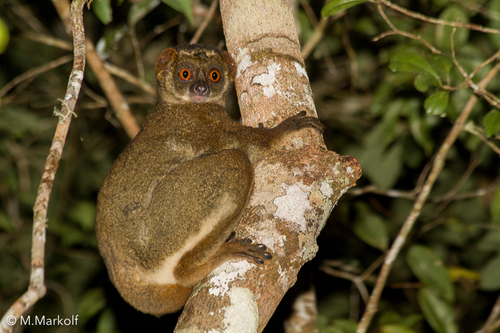
Eastern Woolly Lemur
Avahi laniger
Vulnerable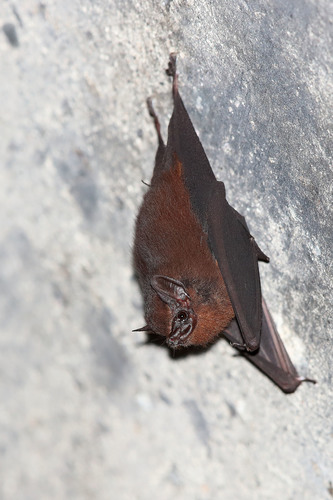
Ecuadorian Sac-winged Bat
Balantiopteryx infusca
Vulnerable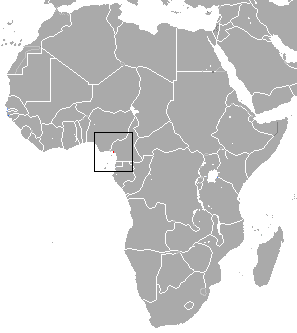
Eisentraut's Shrew
Crocidura eisentrauti
Vulnerable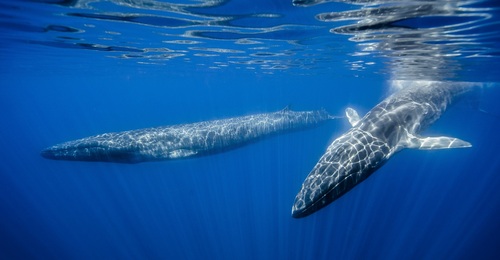
Fin Whale
Balaenoptera physalus
Vulnerable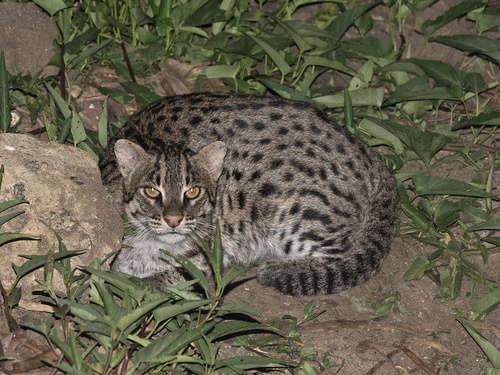
Fishing Cat
Prionailurus viverrinus
Vulnerable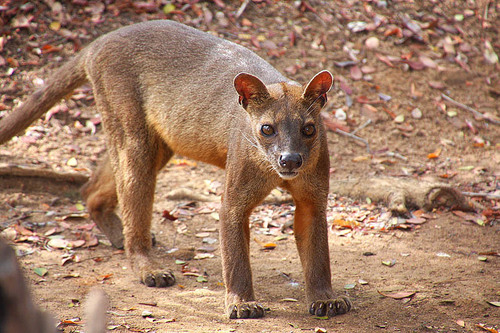
Fossa
Cryptoprocta ferox
Vulnerable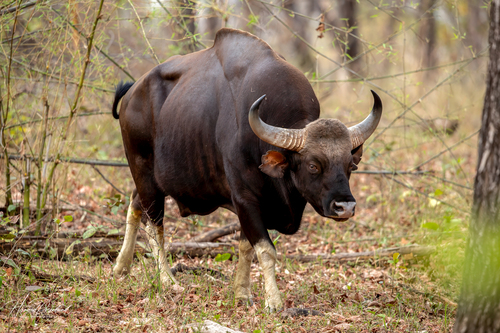
Gaur
Bos gaurus
Vulnerable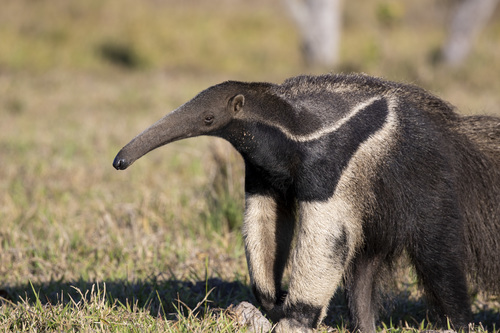
Giant Anteater
Myrmecophaga tridactyla
Vulnerable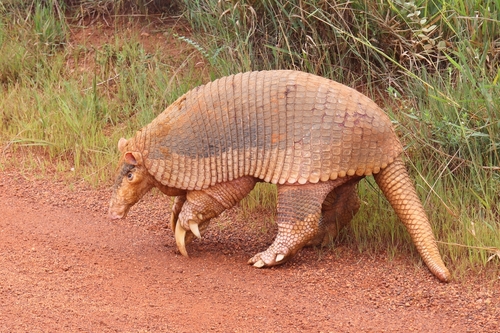
Giant Armadillo
Priodontes maximus
Vulnerable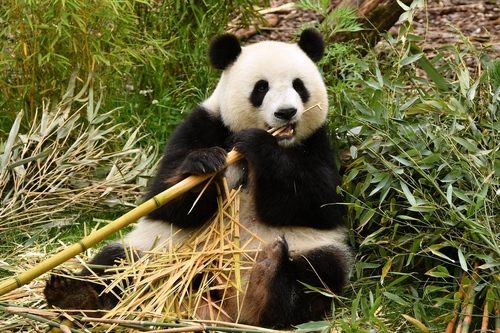
Giant Panda
Ailuropoda melanoleuca
Vulnerable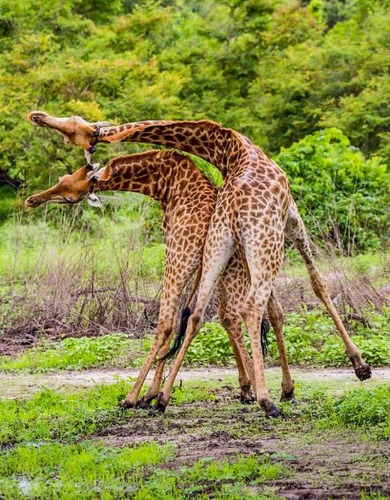
Giraffe
Giraffa camelopardalis
Vulnerable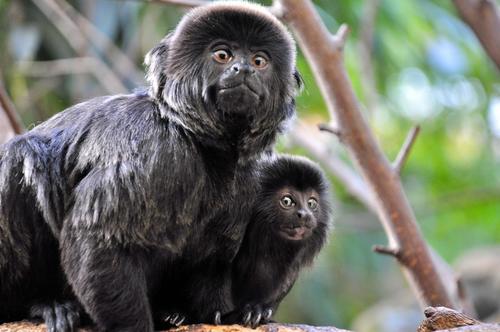
Goeldi's Monkey
Callimico goeldii
Vulnerable
Greater Long-tailed Bat
Choeroniscus periosus
Vulnerable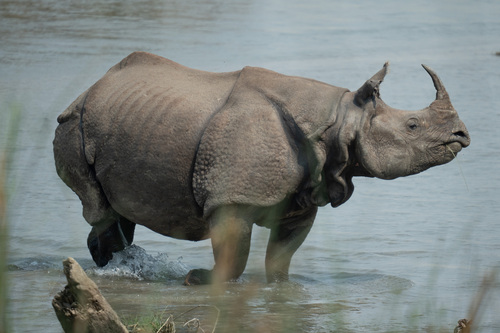
Greater One-horned Rhino
Rhinoceros unicornis
Vulnerable
Grey-handed Night Monkey
Aotus griseimembra
Vulnerable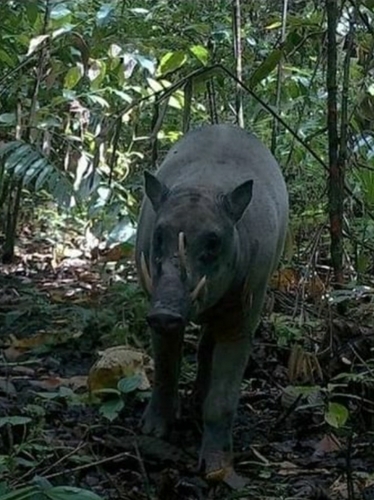
Hairy Babirusa
Babyrousa babyrussa
Vulnerable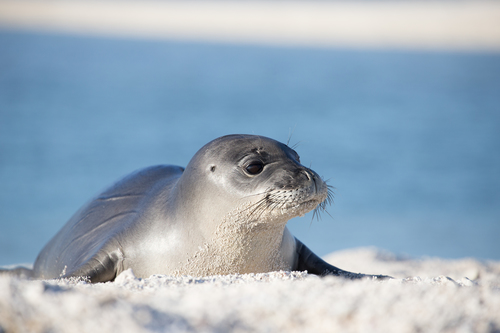
Hawaiian Monk Seal
Neomonachus schauinslandi
Vulnerable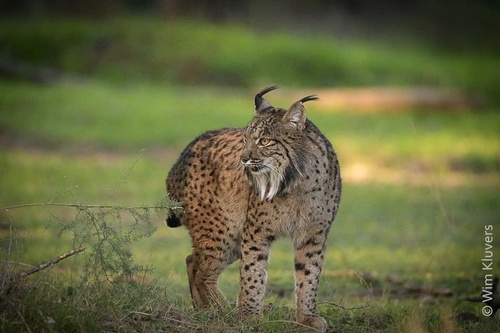
Iberian Lynx
Lynx pardinus
Vulnerable
Isarog Shrew Mouse
Archboldomys luzonensis
Vulnerable
Kahuzi Swamp Shrew
Crocidura stenocephala
Vulnerable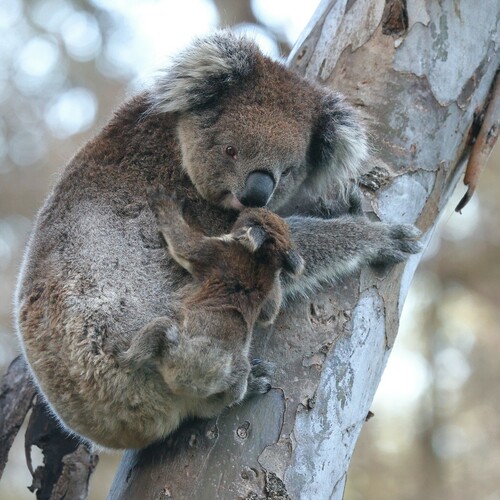
Koala
Phascolarctos cinereus
VulnerableKoopman's Pencil-tailed Tree Mouse
Chiropodomys karlkoopmani
Vulnerable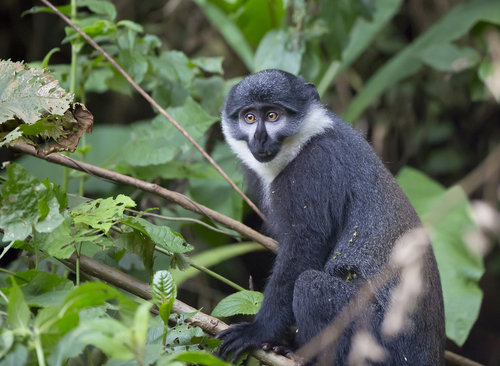
L'Hoest's Monkey
Allochrocebus lhoesti
Vulnerable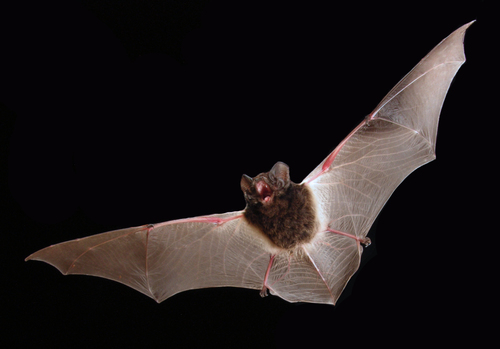
Large-eared Pied Bat
Chalinolobus dwyeri
Vulnerable
Lemara Shrew
Crocidura lanosa
Vulnerable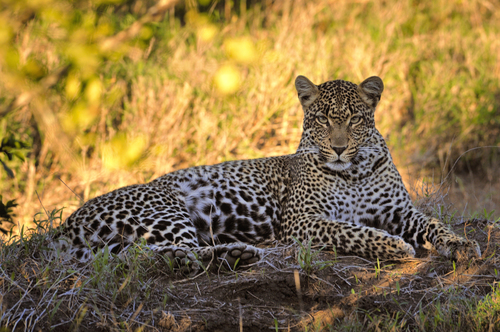
Leopard
Panthera pardus
Vulnerable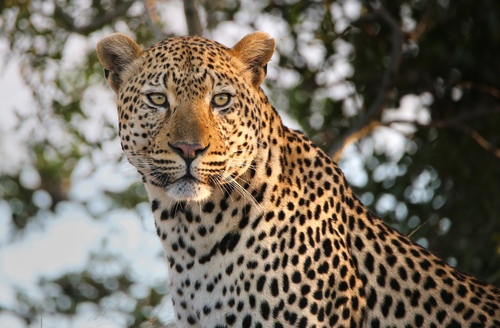
Lion
Panthera leo
Vulnerable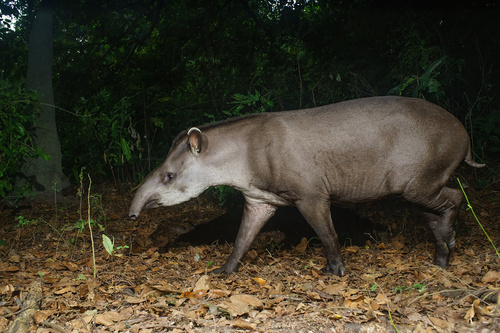
Lowland Tapir
Tapirus terrestris
Vulnerable
Lucina's Shrew
Crocidura lucina
Vulnerable
Counts recomputed from the mapped dataset. Species assessments from the IUCN Red List, last refreshed on .