
Animals of Europe
Europe has been farmed, logged and settled for longer and more thoroughly than any comparable landmass, and its wildlife map is the record of that. The aurochs is gone, the wisent survives only because it was rebuilt from captive animals, and the large predators were pushed into the mountains and the eastern forests by centuries of deliberate extermination. What remains is a fauna of survivors, most of it adapted to landscapes people also use.
The map divides along an old fault line. The western and central plains hold a fauna of deer, foxes, badgers, small mustelids and bats that has learned to live alongside agriculture. The Carpathians, the Balkans and the boreal forests of Fennoscandia and European Russia kept the animals the west lost — brown bear, wolf, lynx, wolverine — in populations continuous enough to act as a source. The Mediterranean basin behaves like a separate region altogether: its peninsulas and islands were refuges during the glaciations, and they still hold endemics found nowhere else, the Iberian lynx and a long list of island shrews and mice among them.
Europe is also where the clearest recovery story is playing out. Wolf, lynx, brown bear, beaver and several raptors have expanded their ranges over the past three decades, driven by legal protection and by farmland being abandoned faster than it is replaced. The distribution maps for those species look markedly different from the ones drawn in the 1980s — one of the few places that is true.
- Species mapped
- 124
- Countries covered
- 32
- Threatened species
- 27
- Data updated
- August 9, 2026
Conservation status of these species
Countries covered
The 32 countries whose name appears in at least one Red List range description in this dataset, with the number of species recorded in each. A wide-ranging animal is counted in every country it crosses.
- Russia 64
- United Kingdom 40
- France 23
- Germany 20
- Norway 17
- Ireland 14
- Poland 13
- Italy 11
- Spain 11
- Iceland 10
- Austria 9
- Ukraine 8
- Finland 7
- Sweden 6
- Switzerland 6
- Portugal 5
- Greece 4
- Netherlands 4
- Slovakia 4
- Slovenia 4
- Belarus 3
- Belgium 3
- Czechia 3
- Hungary 3
- Romania 3
- Croatia 2
- Lithuania 2
- Albania 1
- Bulgaria 1
- Estonia 1
- Liechtenstein 1
- North Macedonia 1
The families found here
- Cricetidae 16
- Bovidae 11
- Muridae 10
- Cervidae 7
- Mustelidae 7
- Sciuridae 6
- Balaenopteridae 5
- Canidae 5
- Felidae 5
- Vespertilionidae 5
- Phocidae 4
- Dasyuridae 3
Species to know
48 of the 124 species recorded here, threatened ones first. Select any of them to open it on the globe.
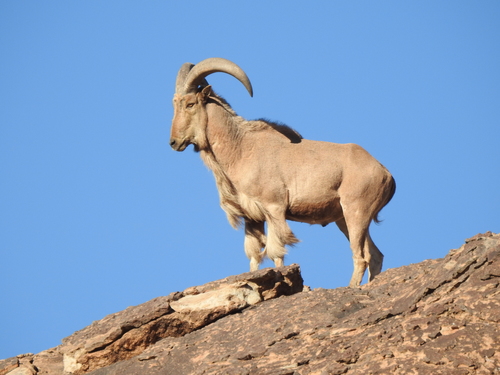
Aoudad
Ammotragus lervia
Vulnerable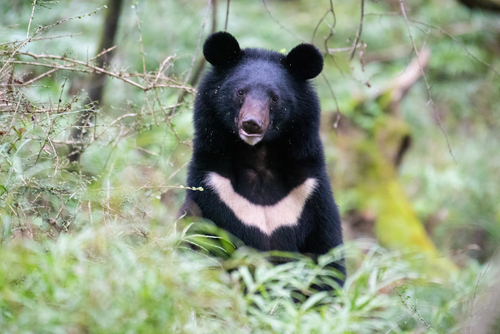
Asiatic Black Bear
Ursus thibetanus
Vulnerable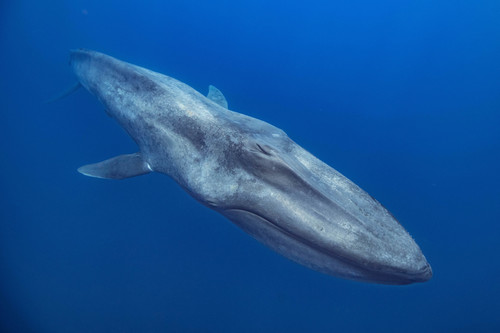
Blue Whale
Balaenoptera musculus
Endangered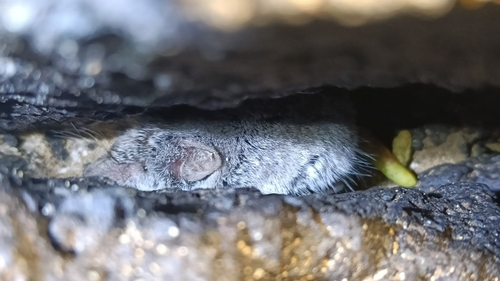
Canary Shrew
Crocidura canariensis
Endangered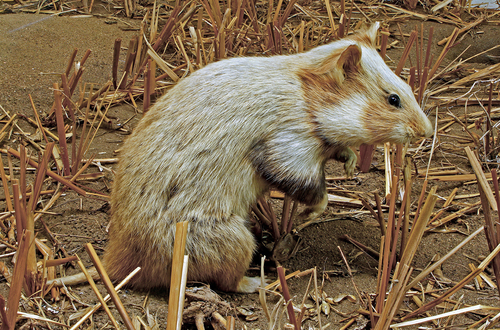
Common Hamster
Cricetus cricetus
Critically Endangered
Cretan Shrew
Crocidura zimmermanni
Endangered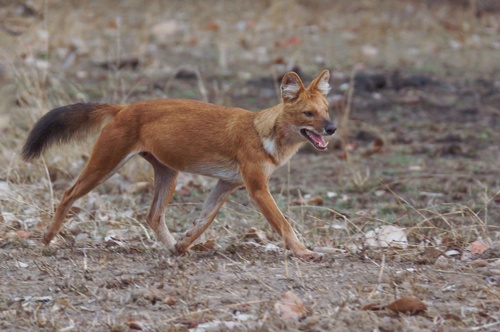
Dhole
Cuon alpinus
Endangered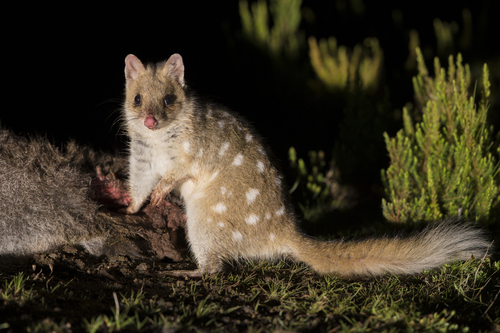
Eastern Quoll
Dasyurus viverrinus
Endangered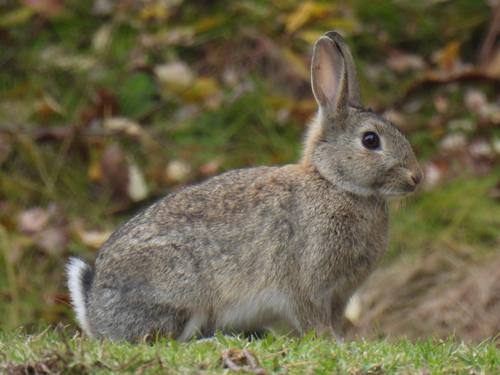
European Rabbit
Oryctolagus cuniculus
Endangered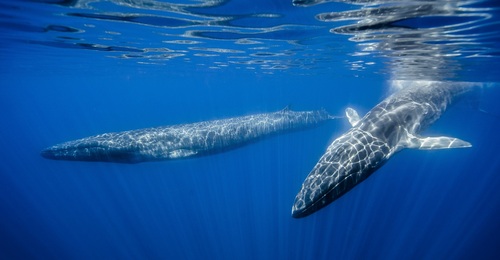
Fin Whale
Balaenoptera physalus
Vulnerable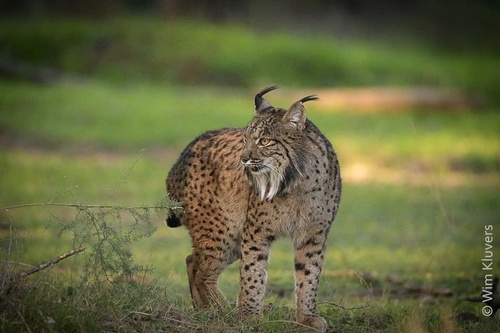
Iberian Lynx
Lynx pardinus
Vulnerable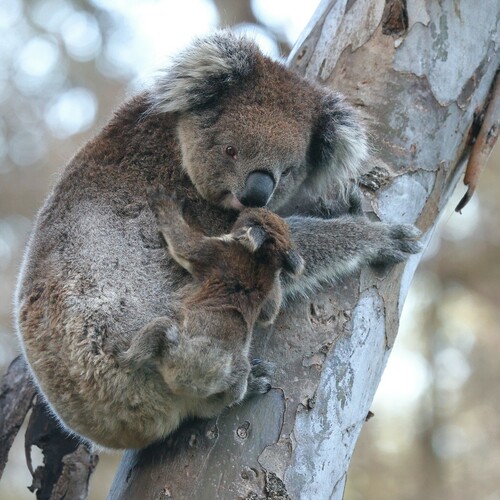
Koala
Phascolarctos cinereus
Vulnerable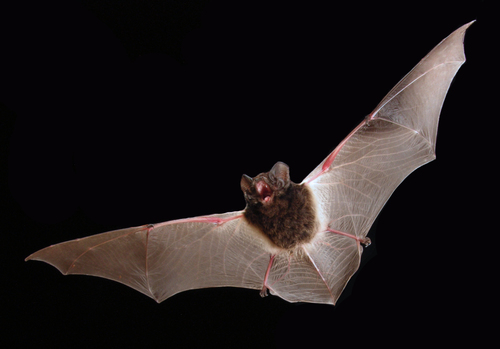
Large-eared Pied Bat
Chalinolobus dwyeri
Vulnerable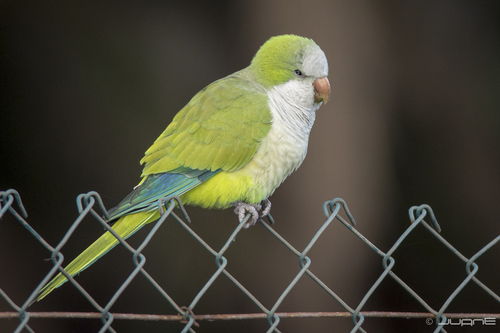
Mediterranean Monk Seal
Monachus monachus
Vulnerable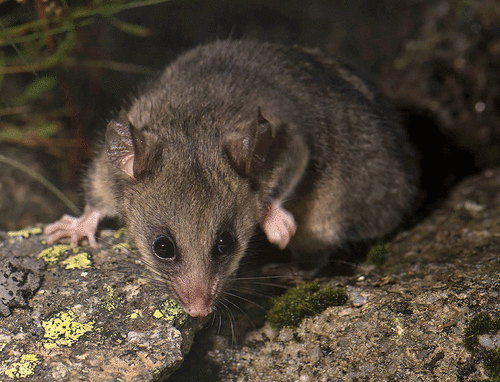
Mountain Pygmy Possum
Burramys parvus
Critically Endangered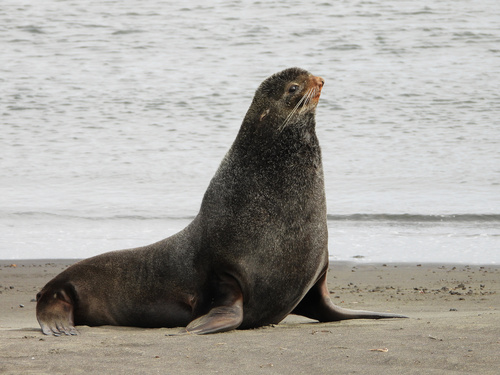
Northern Fur Seal
Callorhinus ursinus
Vulnerable
Northern Hairy-nosed Wombat
Lasiorhinus krefftii
Critically Endangered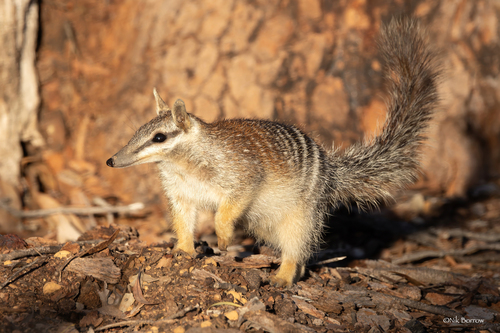
Numbat
Myrmecobius fasciatus
Endangered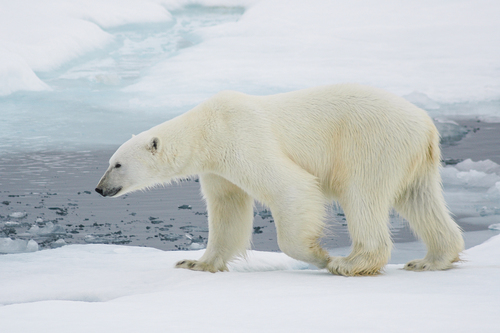
Polar Bear
Ursus maritimus
Vulnerable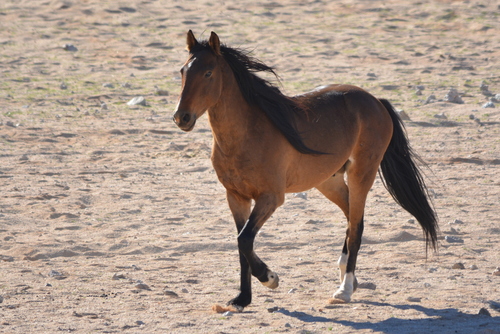
Przewalski's Horse
Equus ferus
Endangered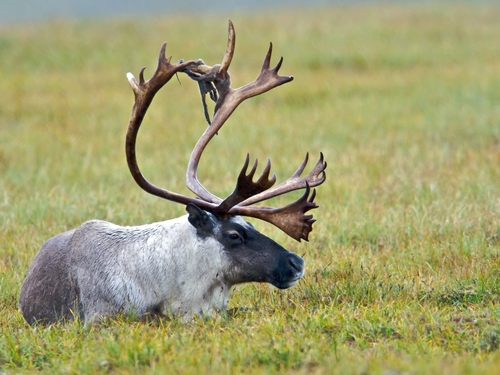
Reindeer
Rangifer tarandus
Vulnerable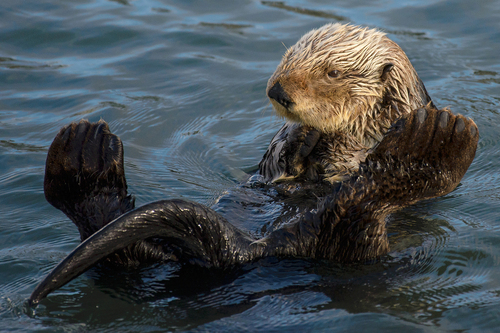
Sea Otter
Enhydra lutris
Endangered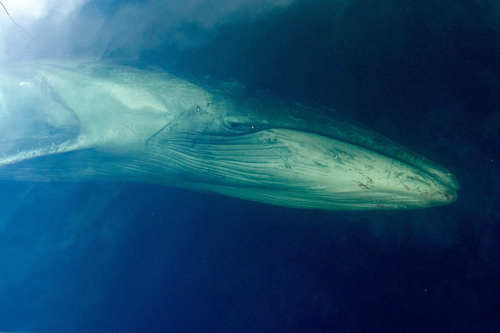
Sei Whale
Balaenoptera borealis
Endangered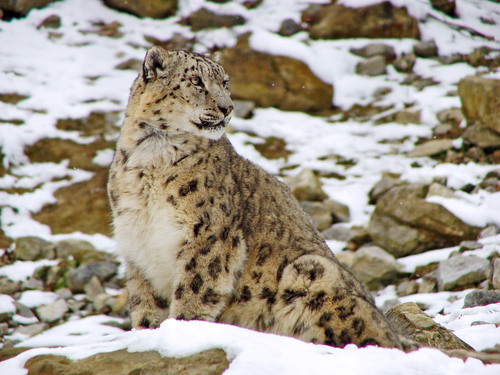
Snow Leopard
Panthera uncia
Vulnerable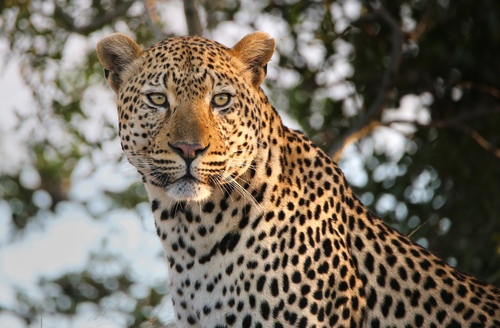
Tiger
Panthera tigris
Endangered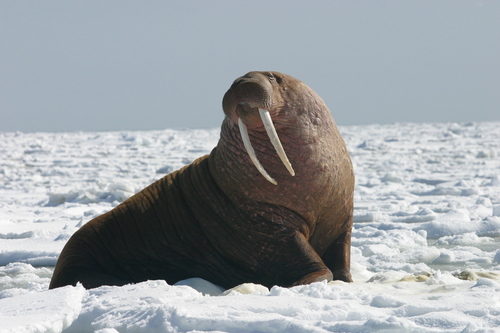
Walrus
Odobenus rosmarus
Vulnerable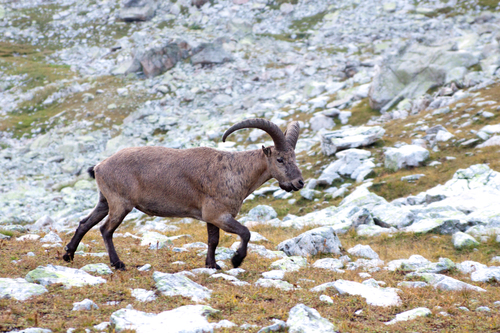
Western Tur
Capra caucasica
Endangered
Agile Antechinus
Antechinus agilis
Least Concern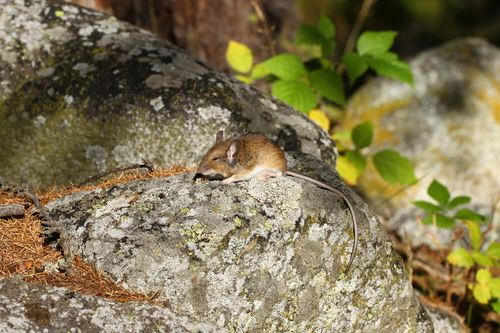
Alpine Field Mouse
Apodemus alpicola
Least Concern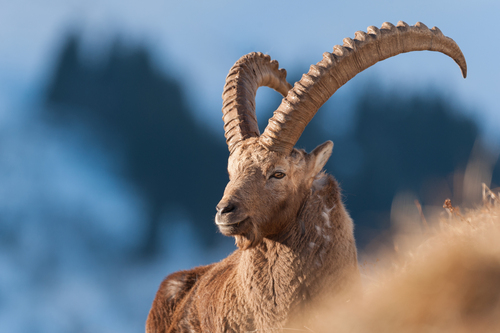
Alpine Ibex
Capra ibex
Least Concern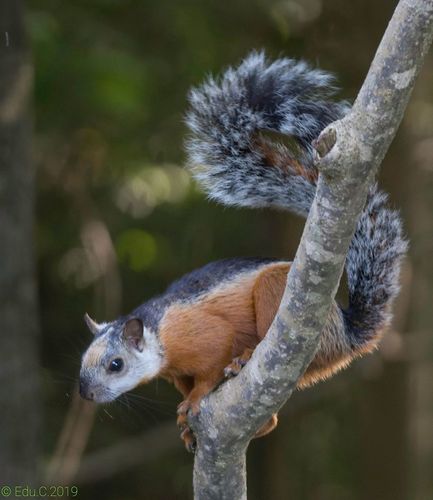
Alpine Marmot
Marmota marmota
Least Concern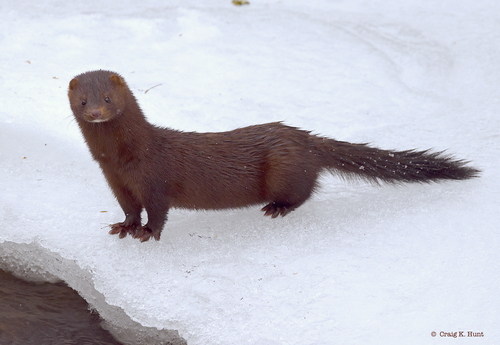
American Mink
Neogale vison
Least Concern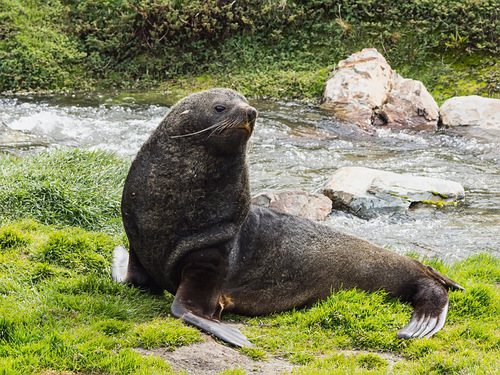
Antarctic Fur Seal
Arctocephalus gazella
Least Concern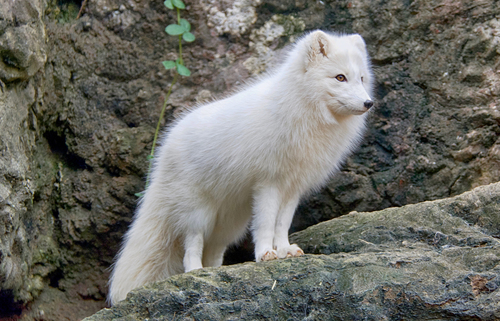
Arctic Fox
Vulpes lagopus
Least Concern
Argali
Ovis ammon
Near Threatened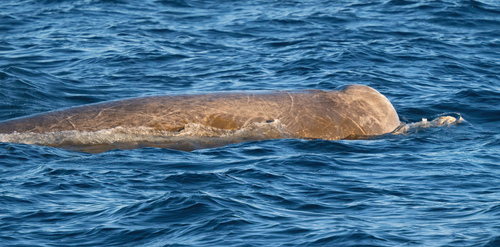
Baird's Beaked Whale
Berardius bairdii
Least Concern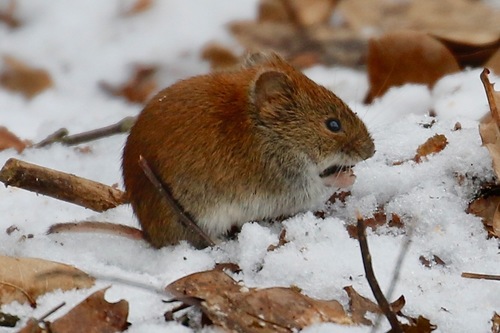
Bank Vole
Clethrionomys glareolus
Least Concern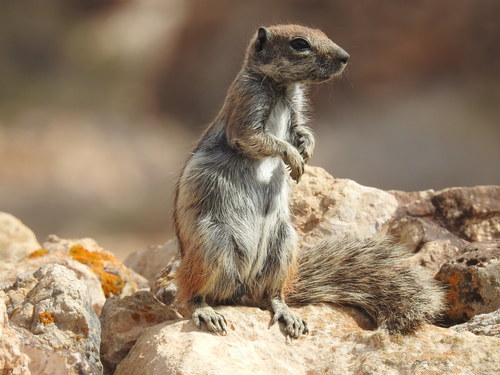
Barbary Ground Squirrel
Atlantoxerus getulus
Least Concern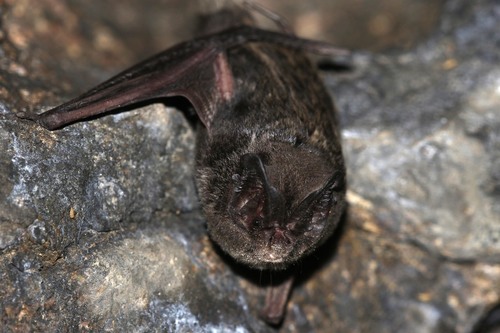
Barbastelle Bat
Barbastella barbastellus
Near Threatened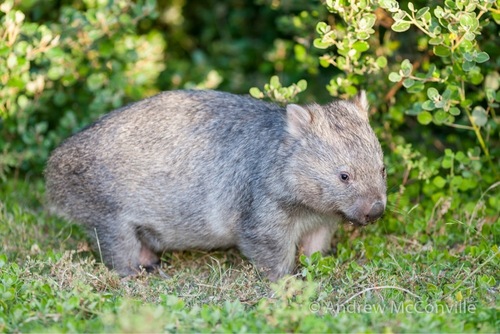
Bare-nosed Wombat
Vombatus ursinus
Least Concern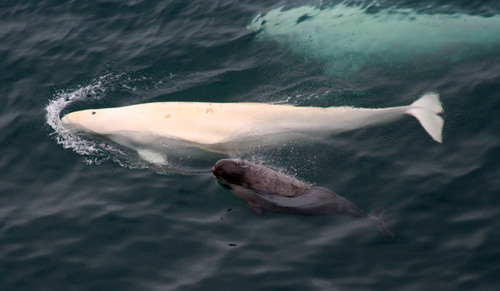
Beluga Whale
Delphinapterus leucas
Least Concern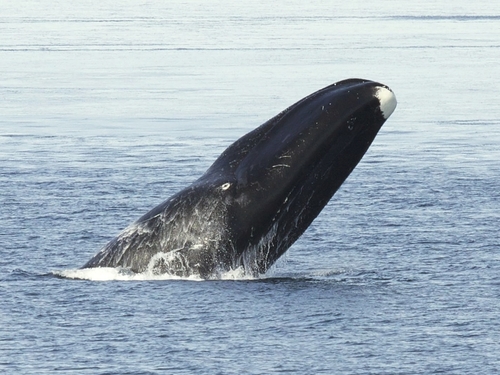
Bowhead Whale
Balaena mysticetus
Least Concern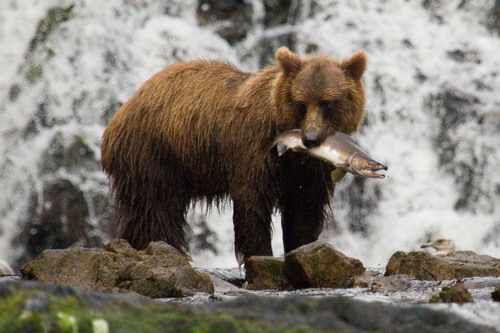
Brown Bear
Ursus arctos
Least Concern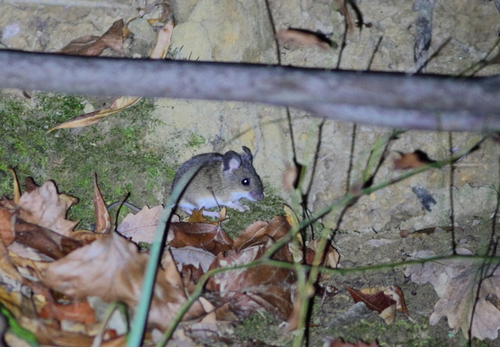
Caucasus Field Mouse
Apodemus ponticus
Least Concern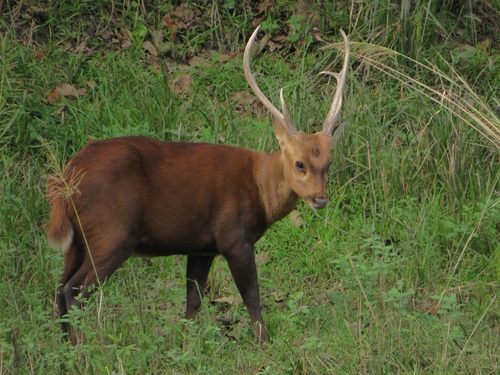
Chital
Axis axis
Least Concern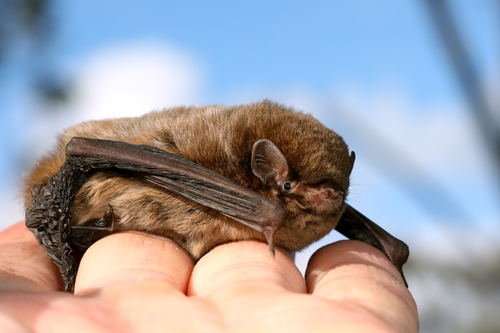
Chocolate Wattled Bat
Chalinolobus morio
Least Concern
Common Fallow Deer
Dama dama
Least Concern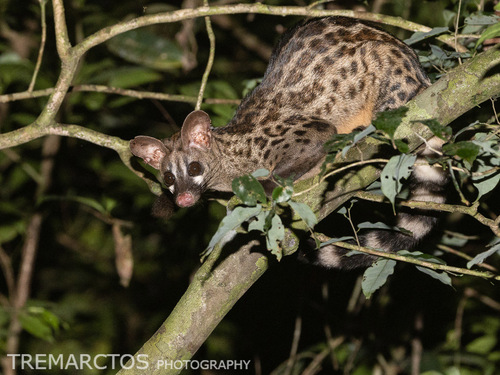
Common Genet
Genetta genetta
Least Concern
Other continents
Counts recomputed from the mapped dataset; countries are derived from the range descriptions of each assessment. Species data from the IUCN Red List, last refreshed on .