
Painted Big-eared Mouse
Auliscomys pictus
Red List assessment
Least Concernon the IUCN Red List
- EXExtinct
- EWExtinct in the Wild
- CRCritically Endangered
- ENEndangered
- VUVulnerable
- NTNear Threatened
- LCLeast Concern
The Painted Big-eared Mouse is recorded in one country, Peru across South America. The IUCN Red List assesses the Painted Big-eared Mouse as Least Concern. No precise global population estimate exists.
- Family
- Cricetidae
- Order
- Rodentia
- Genus
- Auliscomys
- Countries recorded
- 1
- Continents
- South America
- Red List category
- Least Concern
- Data updated
- August 9, 2026
What is the Painted Big-eared Mouse?
The Painted Big-eared Mouse (Auliscomys pictus) is a medium-sized sigmodontine rodent endemic to the high-altitude Andes of central Peru. It is named for its distinctively variegated ('painted') dorsal pelage and the conspicuously large ears characteristic of the genus Auliscomys. The species inhabits puna grasslands and rocky Andean slopes typically above 3,000 m, where it plays a key role as a prey species and seed disperser. As a member of the Phyllotini tribe, it represents part of the extraordinarily diverse rodent radiation of the Andes.
Where does the Painted Big-eared Mouse live?
Central Andes of Peru (departments of Junín, Huánuco, and adjacent regions)
Endemic to Peru, restricted to the central Peruvian Andes. Core range includes the departments of Junín and Huánuco, with the known specimen locality near -11.60°S, -76.25°W placing it in the upper montane and puna zone east of the Lima cordillera.
Altitude and depth
Typically found between approximately 3,000 and 4,800 m above sea level, within the puna biome of the Peruvian Andes.
Habitat of the Painted Big-eared Mouse
Primarily found in puna grasslands — the high-altitude South American grasslands dominated by bunch grasses such as Festuca and Stipa (ichu). Also occurs among rocky outcrops, talus slopes, and scrubby transitional zones between puna and montane shrubland, which provide both foraging grounds and shelter from predators.
Adaptations to its environment
The large, prominent ears likely enhance auditory sensitivity for predator detection in open puna habitats and may assist in passive thermoregulation. The dense, soft underfur provides critical insulation against the cold temperatures and strong winds typical of high-altitude Andean nights. Like other puna rodents, it is physiologically adapted to chronic hypoxia through increased hemoglobin oxygen affinity.
Conservation status and numbers
Least Concern (LC) on the IUCN Red List. The species does not currently meet the threshold for any threatened category; its population is considered stable and no major range-wide declines have been documented.
Estimated population
No precise global population estimate exists. Based on IUCN evaluation, the population is presumed stable with no confirmed large-scale decline; the species is considered locally common within suitable habitat patches.
What threatens the Painted Big-eared Mouse?
Primary threats include overgrazing by domestic livestock (llamas, alpacas, cattle, and sheep) that degrades puna grassland structure, agricultural encroachment at mid-altitudes, and the long-term risk of climate change shifting or contracting suitable high-altitude habitat upslope.
Diseases and parasites
No specific diseases or parasites have been formally described for A. pictus. Like other Andean sigmodontines, it presumably hosts ectoparasites (fleas of the genus Rhopalopsyllus, mites, ticks) and endoparasites (gastrointestinal helminths, coccidia) typical of the group.
What is being done to protect it?
The species likely benefits incidentally from protection within Peruvian national reserves and protected natural areas in the central Andes (such as the Yanachaga-Chemillén National Park system and associated buffer zones). No species-specific conservation program is currently documented for A. pictus.
Recommended actions
Regular population monitoring via standardized small-mammal trapping surveys; assessment of livestock grazing intensity and its impact on puna microhabitat quality; inclusion of A. pictus in regional biodiversity inventories; investigation of potential range shifts under projected climate scenarios.
What the Painted Big-eared Mouse looks like
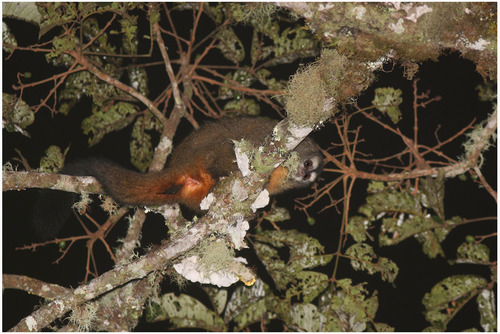
Dorsal fur is a richly mottled mix of ochre, buff, and brownish tones interspersed with dark-tipped guard hairs, producing the 'painted' appearance that gives the species its name. The ventral surface is distinctly paler, typically white or creamy. The large, rounded ears are thinly furred. The tail is moderately long and bicolored — darker above and paler below.
Size
Head-body length approximately 80–130 mm; tail length approximately 60–105 mm. Overall a medium-sized member of the genus Auliscomys.
Weight
Estimated 30–70 g, consistent with the genus; no strong sexual size dimorphism has been documented.
Distinctive features
Distinguished from congeners by its characteristic dorsal color pattern ('pictus' = painted in Latin), the strong contrast between its rich dorsal coat and pale venter, and its geographic restriction to central Peru. The genus Auliscomys as a whole is set apart from the closely related Phyllotis by larger body size, more robust skull morphology, and specific dental characters.
Behaviour and diet of the Painted Big-eared Mouse
Presumed primarily solitary outside the breeding season, consistent with most puna-dwelling sigmodontines. Individuals likely defend small home ranges centered on rocky refugia. Loose aggregations may occur around concentrated food resources but structured social hierarchies are not documented.
When it is active
Likely nocturnal to crepuscular, with peak surface activity occurring at dusk and during the night, thereby avoiding diurnal raptors. This activity pattern is typical of high-Andean sigmodontine mice and reduces thermoregulatory costs during cooler nighttime hours.
Diet
Primarily herbivorous and granivorous, feeding on grass seeds, stems, roots, and herbaceous plant material characteristic of puna vegetation. Occasional consumption of invertebrates (insects, larvae) is plausible as a protein supplement, particularly during breeding seasons.
How it feeds and hunts
Forages opportunistically on the ground and among rocky substrates, using its large ears and acute olfaction to locate seeds and plant material. No active predatory hunting; it is a terrestrial gleaner and ground-level seed harvester.
Communication
Likely communicates via ultrasonic vocalizations (as documented in related sigmodontine genera), urine-based scent marking to signal reproductive status and territorial occupancy, and possibly tactile signals during conspecific encounters.
Interactions with other species
Functions as prey for Andean raptors (e.g., Puna Hawk Geranoaetus poecilochrous, Barn Owl Tyto alba), Andean foxes (Lycalopex culpaeus), and Andean cat (Leopardus jacobita). It likely competes with syntopic small rodents such as Akodon spp. and Phyllotis spp. for seeds and shelter sites. May facilitate seed redistribution through caching behavior.
Role in its ecosystem
An integral component of puna food webs as a primary consumer of plant biomass and a prey base for higher trophic levels. Burrowing and ground disturbance activities may contribute modestly to soil aeration and nutrient cycling in puna ecosystems.
Reproduction and lifecycle
Reproductive biology is not well documented for this species specifically. Based on congeners and other puna sigmodontines, breeding is likely seasonal, peaking during or just after the austral wet season (November–April) when food resources are most abundant. Litter sizes of 2–5 altricial young per birth and gestation periods of approximately 21–28 days are expected.
Raising the young
The female is the primary caregiver, nursing young in a well-concealed grass or fur-lined nest tucked under rocks or dense vegetation. Weaning likely occurs at approximately 2–3 weeks of age. Males' parental involvement is unknown but presumed minimal, as is typical for sigmodontine rodents.
Maturity and lifespan
Sexual maturity is likely reached at 2–3 months of age, consistent with small sigmodontine rodents. Wild lifespan is estimated at 1–2 years given high predation pressure; captive individuals of related species may survive up to 3 years.
Taxonomy and naming of the Painted Big-eared Mouse
Classification
Mammalia > Rodentia > Cricetidae (subfamily Sigmodontinae, tribe Phyllotini) > Auliscomys > Auliscomys pictus (Thomas, 1884)
Scientific synonyms
Originally likely described under Phyllotis pictus Thomas, 1884, before being assigned to the genus Auliscomys; exact synonymy history remains incompletely documented.
What research says
Recent studies
Phylogenetic studies of the tribe Phyllotini (e.g., Steppan et al. 2007 and subsequent molecular analyses) have clarified the relationships between Auliscomys and allied genera such as Phyllotis, Galenomys, and Chinchillula, but species-level genetic or ecological studies focused specifically on A. pictus remain scarce.
Compared with similar species
Within Auliscomys, A. pictus is most closely compared to A. boliviensis (Bolivian Big-eared Mouse) and A. sublimis (Andean Big-eared Mouse), which occupy overlapping or adjacent Andean zones. Compared to the widespread Phyllotis darwini, Auliscomys species are generally larger, more robustly built, and have more distinctively patterned pelage. The genus differs from Chinchillula samipaiae in lacking the latter's extremely dense, chinchilla-like fur and larger body.
The Painted Big-eared Mouse and people
The specific epithet 'pictus' is Latin for 'painted' — making this one of the few mammals whose scientific name directly celebrates its artwork-like fur patterning. Despite living at elevations where nightly temperatures regularly drop below freezing, A. pictus remains active year-round without hibernation, relying entirely on its dense pelage and metabolic heat. The genus Auliscomys possesses some of the largest ear-to-body ratios among Andean rodents, a feature that likely gives them an acoustic advantage for detecting the silent, low-altitude stoops of nocturnal owls.
Where and how to see it
Best sought in the puna grasslands of the departments of Junín and Huánuco, Peru, at elevations between 3,500 and 4,500 m. Sherman live-trap surveys placed near rocky outcrops and ichu grass clumps at dusk and early morning offer the best detection probability. The area around the Junín plateau and upper Huallaga valleys is considered prime habitat. A spotlight or headlamp scan of open areas near boulders during the first hours after sunset may also reveal individuals.
Risks to humans
No notable risk to humans. As a wild rodent it may carry ectoparasites, but A. pictus is not documented as a reservoir or vector for significant zoonotic pathogens.
Countries where the Painted Big-eared Mouse is recorded
The 1 countries named in the range description of its IUCN Red List assessment.
Questions about the Painted Big-eared Mouse
Where does the Painted Big-eared Mouse live?
The Painted Big-eared Mouse is recorded in Peru across South America. These countries come from the range description of its IUCN Red List assessment, and they are what place the species on the interactive map.
Is the Painted Big-eared Mouse endangered?
The IUCN Red List assesses the Painted Big-eared Mouse as Least Concern. The species is widespread and abundant enough not to qualify for any threatened category. It does not mean the species is safe forever, only that nothing in the current data raises an alarm.
How many are left in the wild?
No precise global population estimate exists. This figure comes from the species assessment on the IUCN Red List; population estimates for wild mammals are ranges, not counts, and are revised at each assessment.
What habitat does the Painted Big-eared Mouse live in?
Primarily found in puna grasslands — the high-altitude South American grasslands dominated by bunch grasses such as Festuca and Stipa (ichu).
What is the scientific name of the Painted Big-eared Mouse?
The Painted Big-eared Mouse is Auliscomys pictus, in the family Cricetidae, order Rodentia.
Other species in the genus Auliscomys
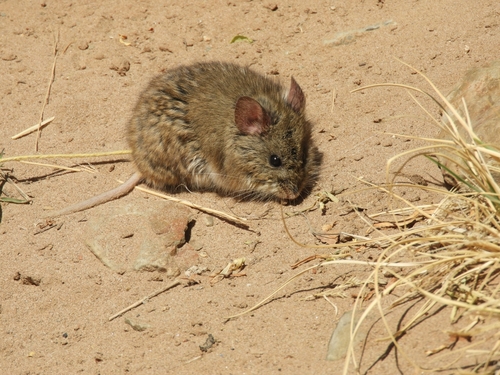
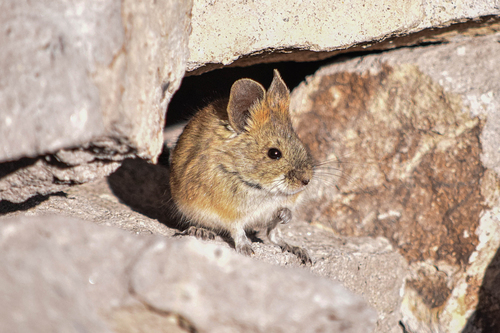
Other species in the family Cricetidae
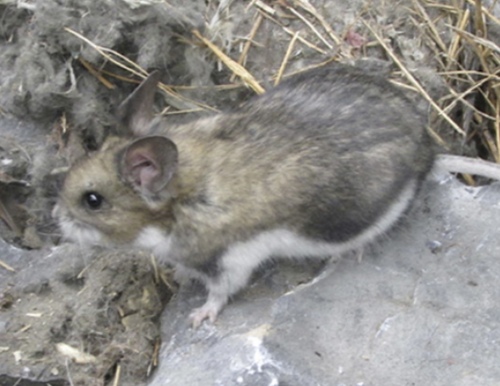
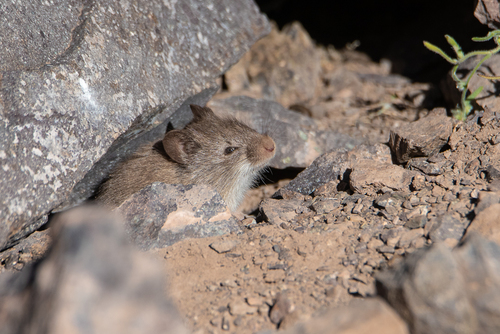
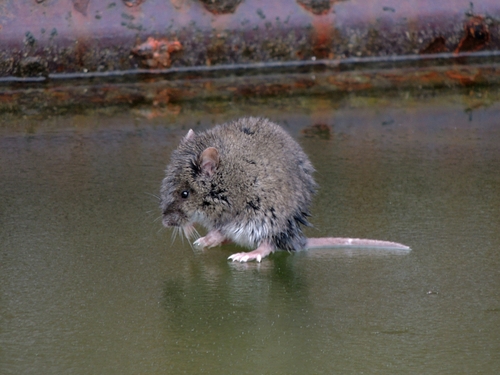
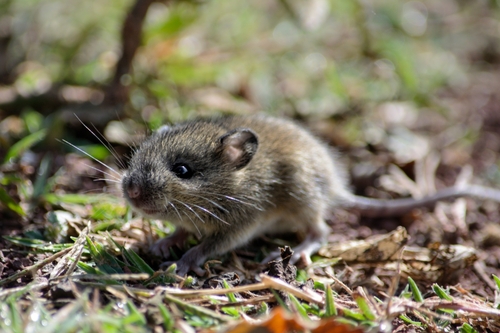
Species that share its range

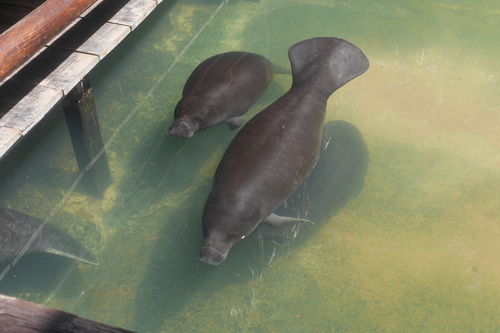
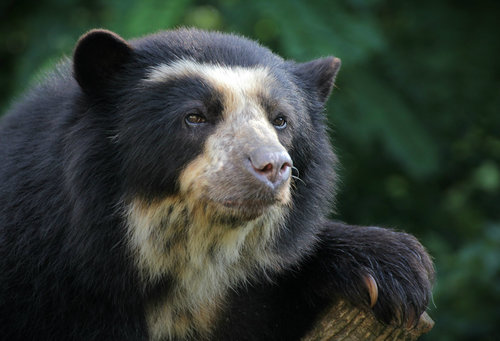
Sources
Conservation status, range description and population estimate come from the IUCN Red List assessment for Auliscomys pictus. Countries are derived from that range description, not from a mapped country list. Last refreshed on .
The distribution map is drawn from the IUCN Red List spatial data compiled in 2008. IUCN (International Union for Conservation of Nature)