
Sloth Bear
Melursus ursinus
Red List assessment
Vulnerableon the IUCN Red List
- EXExtinct
- EWExtinct in the Wild
- CRCritically Endangered
- ENEndangered
- VUVulnerable
- NTNear Threatened
- LCLeast Concern
The Sloth Bear is recorded in 5 countries across Asia. The IUCN Red List assesses the Sloth Bear as Vulnerable. Estimated at around 10,000 to 20,000 individuals in the wild, with a declining population trend due to continued habitat pressure and poaching
- Family
- Ursidae
- Order
- Carnivora
- Genus
- Melursus
- Countries recorded
- 5
- Continents
- Asia
- Red List category
- Vulnerable
- Data updated
- August 9, 2026
What is the Sloth Bear?
The sloth bear is a distinctive, shaggy-coated bear native to the Indian subcontinent, notable for its specialized diet of insects, particularly termites and ants. It possesses unique adaptations such as long curved claws and a mobile lip structure for suction feeding. Unlike other bears, it is myrmecophagous (ant/termite-eating) as a primary food source. Its unkempt appearance and unusual behavior led early naturalists to mistakenly classify it among sloths.
Where does the Sloth Bear live?
Indian subcontinent, primarily India, Sri Lanka, Nepal, and Bhutan, with a small population in Bangladesh
Found across India, Nepal (Terai lowlands), Sri Lanka, and Bhutan, with historical range including Bangladesh though now likely extirpated there. Range is fragmented across protected areas and forest patches in central, southern, and northern India.
Altitude and depth
Typically found from sea level up to about 1,500 meters, though can occasionally range higher in hilly forested regions
Seasonal movements
No true hibernation; sloth bears remain active year-round though may reduce activity during extreme heat or monsoon flooding. Some seasonal shifts in diet occur, favoring fruits during fruiting seasons and insects during drier months.
Habitat of the Sloth Bear
Inhabits tropical and subtropical forests, dry deciduous forests, moist deciduous forests, grasslands, and scrublands. Prefers areas with rocky outcrops for denning and abundant termite mounds. Also found in some human-modified landscapes with sufficient tree cover and food resources.
Adaptations to its environment
Long, curved claws adapted for digging into termite mounds and ant nests rather than climbing. A specialized palate with a gap in the front teeth and mobile lips allows powerful suction to vacuum up insects. Shaggy fur, especially a mane around the neck, may protect against tiger and leopard attacks during confrontations.
Conservation status and numbers
Vulnerable (VU) according to IUCN, due to ongoing population decline estimated at more than 30% over the past three generations caused by habitat loss, fragmentation, and poaching. Populations are increasingly isolated across fragmented forest patches.
Estimated population
Estimated at around 10,000 to 20,000 individuals in the wild, with a declining population trend due to continued habitat pressure and poaching
What threatens the Sloth Bear?
Habitat loss and fragmentation from agriculture and development, poaching for bile and body parts used in traditional medicine, human-wildlife conflict due to crop raiding and attacks on humans, and historical capture for dancing bear trade (now largely eliminated in India).
Diseases and parasites
Susceptible to various internal parasites including nematodes and external parasites like ticks; captive individuals have been documented with dental disease and obesity-related conditions
What is being done to protect it?
Protected under India's Wildlife Protection Act (Schedule I), with populations found in numerous protected areas and tiger reserves. The 'Wildlife SOS' organization successfully ended the dancing bear trade in India through rehabilitation programs. CITES Appendix I listing restricts international trade.
Recommended actions
Strengthen habitat corridors between fragmented forest patches, increase anti-poaching enforcement, mitigate human-bear conflict through community education and compensation schemes, and conduct further population monitoring across range states.
What the Sloth Bear looks like
Covered in long, shaggy black fur, often with a grayish tint, and a distinctive cream or white V- or Y-shaped mark on the chest. The muzzle is pale gray or cream-colored and elongated, with a mobile snout adapted for insect feeding. Ears are large and floppy compared to other bear species.
Size
Body length typically 1.4 to 1.9 meters; shoulder height approximately 60-90 cm
Weight
Males typically weigh 80-145 kg, while females are smaller at 55-95 kg
Distinctive features
Distinguished from other bears by its shaggy, unkempt coat, elongated snout with mobile lips, absence of upper incisors (creating a gap used for suction feeding), and long curved claws proportionally longer than those of most other bear species.
Differences between males and females
Males are notably larger and heavier than females, though coloration and general appearance are similar between sexes
Behaviour and diet of the Sloth Bear
Generally solitary animals except for mothers with cubs or during mating season; adults typically avoid each other outside of breeding encounters. Occasionally seen in loose aggregations at abundant food sources such as fruiting trees.
When it is active
Primarily nocturnal and crepuscular, especially in areas with high human activity, though can be more diurnal in undisturbed, remote habitats
Diet
Omnivorous with a strong preference for termites and ants, supplemented by fruits (especially mahua and fig), honey, flowers, and occasionally small vertebrates or carrion. Termites and ants can make up the majority of the diet in some regions.
How it feeds and hunts
Uses powerful claws to break open termite mounds and ant nests, then employs specialized suction feeding by closing nostrils and vacuuming insects through a gap in the front teeth, producing an audible slurping sound
Communication
Communicates through vocalizations including huffs, roars, and grunts, especially during aggressive encounters or when startled. Scent marking via claw marks on trees and body rubbing is also used to signal territory and reproductive status.
Interactions with other species
Faces competition and occasional predation threats from tigers and leopards, particularly targeting cubs; adults can be aggressive in defense. Coexists with other forest species including deer, wild boar, and various primates, occupying a niche as an insectivore-omnivore.
Role in its ecosystem
Plays an important ecological role as a seed disperser through fruit consumption and as a natural regulator of termite and ant populations, contributing to nutrient cycling and forest ecosystem balance.
Reproduction and lifecycle
Mating typically occurs during the monsoon season (May-July), with gestation lasting 6-7 months and a delayed implantation possible. Litters usually consist of 1-2 cubs, occasionally up to 3, born in winter months (December-January).
Raising the young
Mothers provide extensive care, with cubs often riding on the mother's back—a behavior unique among bear species. Cubs remain with their mother for up to 2-3 years, learning foraging techniques before becoming independent.
Maturity and lifespan
Reaches sexual maturity around 3-4 years of age; wild lifespan is typically 15-20 years, while captive individuals can live up to 30-40 years with proper care
Taxonomy and naming of the Sloth Bear
Classification
Class Mammalia > Order Carnivora > Family Ursidae > Genus Melursus > Species Melursus ursinus
Subspecies
Two recognized subspecies: Melursus ursinus ursinus (mainland Indian subcontinent) and Melursus ursinus inornatus (Sri Lankan sloth bear, smaller and with less dense fur)
Scientific synonyms
Ursus ursinus, Prochilus ursinus, Bradypus ursinus (historically classified with sloths due to its long claws and shaggy coat)
What research says
Recent studies
Recent camera-trap and genetic studies have focused on population connectivity across fragmented Indian landscapes, revealing concerning isolation between subpopulations and informing corridor conservation planning
Genome and DNA
Diploid chromosome number is 74; genetic studies have helped clarify sloth bear placement within Ursidae as a distinct lineage that diverged early from other bear species
Compared with similar species
Compared to the American black bear, sloth bears have a more specialized insectivorous diet, longer claws, and a more prominent chest marking. Unlike sun bears, sloth bears have shaggier fur and rely more heavily on suction feeding for insects rather than tongue extraction from hives.
The Sloth Bear and people
Sloth bear cubs are carried on their mother's back, a behavior not seen in any other bear species. They can produce loud, wheezing suction sounds heard from over 100 meters away when feeding on termites. Despite their name, they are not closely related to sloths and are quite fast, capable of outrunning humans.
Where and how to see it
Best observed in protected reserves such as Daroji Bear Sanctuary in Karnataka, India, particularly during early morning or dusk when bears are most active near termite mounds or fruiting trees. Patience and a knowledgeable local guide greatly increase chances of sighting, as bears can be elusive in dense forest.
Risks to humans
Sloth bears are responsible for a notable number of human injuries in India due to surprise encounters, often resulting in serious facial and bodily wounds as a defensive reaction. Attacks typically occur when bears are startled at close range rather than through predatory behavior.
Human uses
Historically captured and used in the 'dancing bear' trade for entertainment, a practice now banned and largely eradicated through conservation efforts. Bear bile and body parts have also been illegally used in traditional medicine markets, contributing to poaching pressure.
Myths and legends
In Indian folklore and mythology, sloth bears have been associated with the character Jambavan, a wise bear-king figure in the Ramayana epic. Historically, they were also used in the controversial 'dancing bear' tradition across South Asia, reflecting complex cultural symbolism of both reverence and exploitation.
Countries where the Sloth Bear is recorded
The 5 countries named in the range description of its IUCN Red List assessment.
Questions about the Sloth Bear
Where does the Sloth Bear live?
The Sloth Bear is recorded in Bangladesh, Bhutan, India, Nepal and Sri Lanka across Asia. These countries come from the range description of its IUCN Red List assessment, and they are what place the species on the interactive map.
Is the Sloth Bear endangered?
Yes. The IUCN Red List assesses the Sloth Bear as Vulnerable, one of the three threatened categories. The species faces a high risk of extinction in the wild. It is the first of the three threatened categories: numbers are falling, the range is shrinking, or the population is small enough that a single bad event could do lasting damage.
How many are left in the wild?
Estimated at around 10,000 to 20,000 individuals in the wild, with a declining population trend due to continued habitat pressure and poaching This figure comes from the species assessment on the IUCN Red List; population estimates for wild mammals are ranges, not counts, and are revised at each assessment.
What habitat does the Sloth Bear live in?
Inhabits tropical and subtropical forests, dry deciduous forests, moist deciduous forests, grasslands, and scrublands.
What is the scientific name of the Sloth Bear?
The Sloth Bear is Melursus ursinus, in the family Ursidae, order Carnivora.
Other species in the family Ursidae
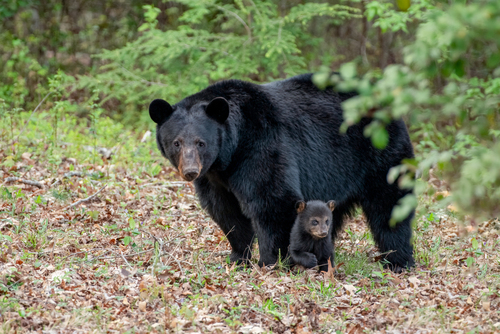
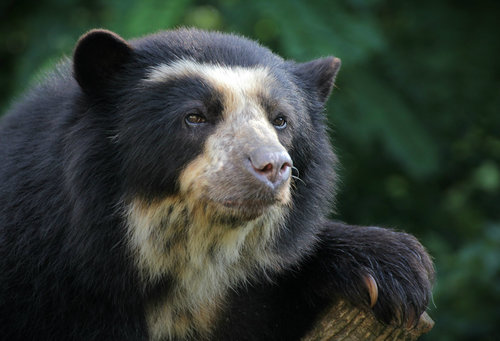
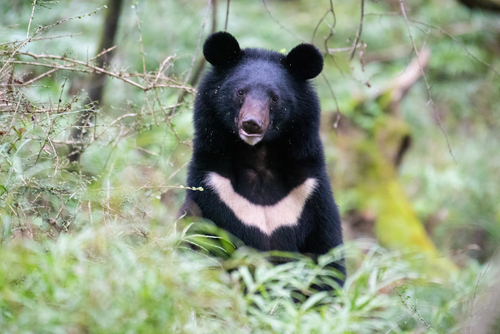
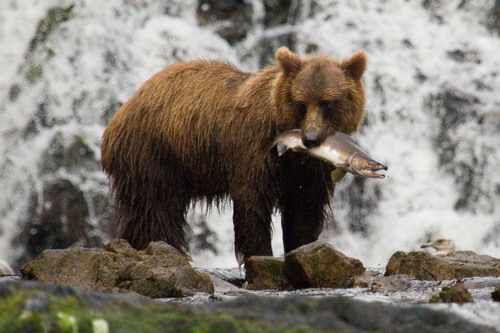
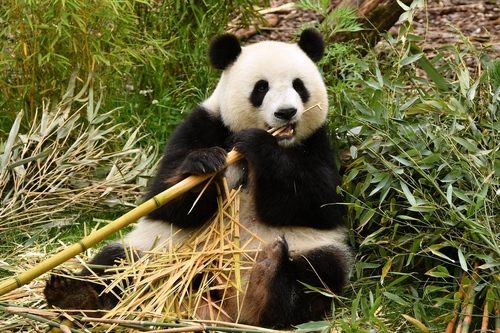
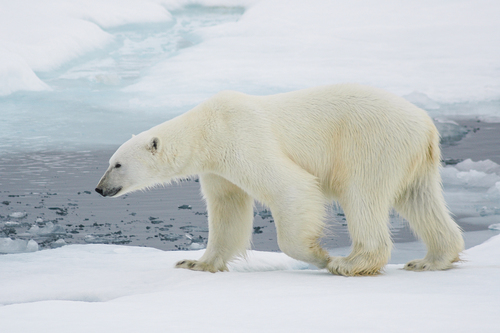
Species that share its range
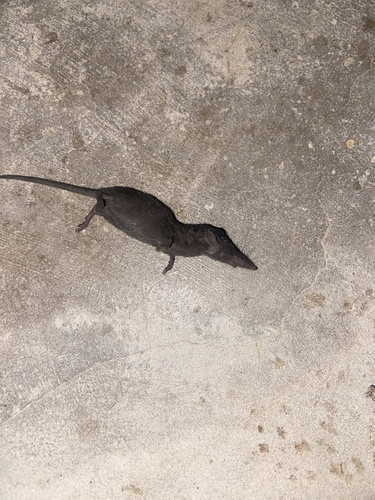
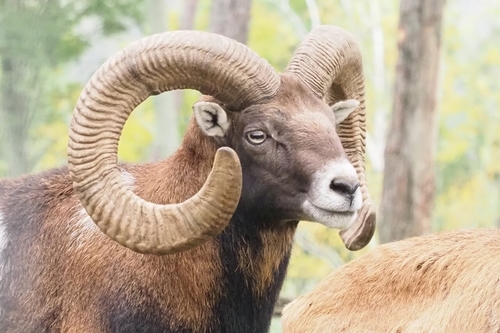
Sources
Conservation status, range description and population estimate come from the IUCN Red List assessment for Melursus ursinus. Countries are derived from that range description, not from a mapped country list. Last refreshed on .
The distribution map is drawn from the IUCN Red List spatial data compiled in 2016. IUCN Sloth bear Expert Team