
Animals in Trinidad & Tobago
10 mammal species are recorded in Trinidad & Tobago in this dataset, 1 of them in a threatened Red List category. Trinidad & Tobago sits in North America, where 155 species are recorded in total. Every species below is listed because the range description of its IUCN Red List assessment names Trinidad & Tobago.
They belong to 4 families, the best represented being Phyllostomidae (7), Cebidae (1), Cricetidae (1). By Red List category: 1 Critically Endangered, 9 Least Concern.
These counts come from the text of each assessment rather than from an official country checklist, so a species whose assessment names a region without naming Trinidad & Tobago is missing here, and a wide-ranging animal is counted in every country it crosses. All 10 of them have a full written profile.
- Species recorded
- 10
- Threatened
- 1
- Continent
- North America
- Data updated
- August 9, 2026
Conservation status in Trinidad & Tobago
The most threatened species in Trinidad & Tobago
1 of the 1 species recorded here that the IUCN Red List places in a threatened category — Vulnerable, Endangered or Critically Endangered.
The families found in Trinidad & Tobago
- Phyllostomidae 7
- Cebidae 1
- Cricetidae 1
- Cuniculidae 1
Every species recorded in Trinidad & Tobago
All 10 of them, written profiles first.
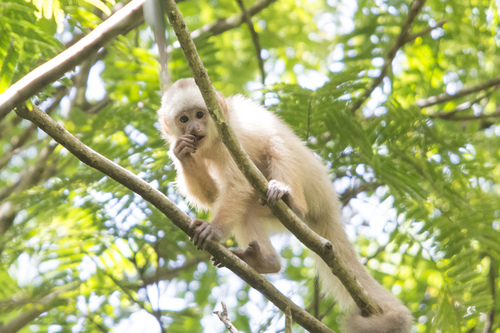
Trinidad White-fronted Capuchin
Cebus trinitatis
Critically Endangered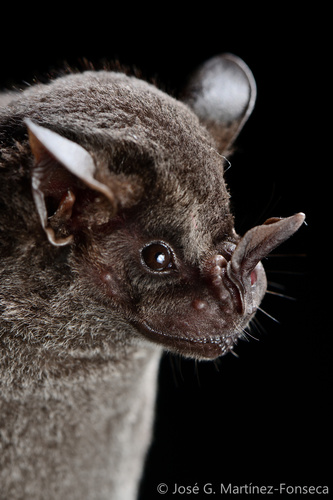
Dark Fruit-eating Bat
Artibeus obscurus
Least Concern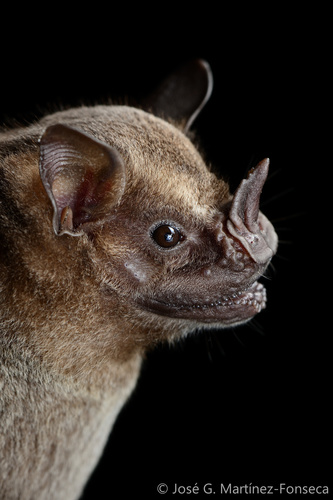
Flat-faced Fruit-eating Bat
Artibeus planirostris
Least Concern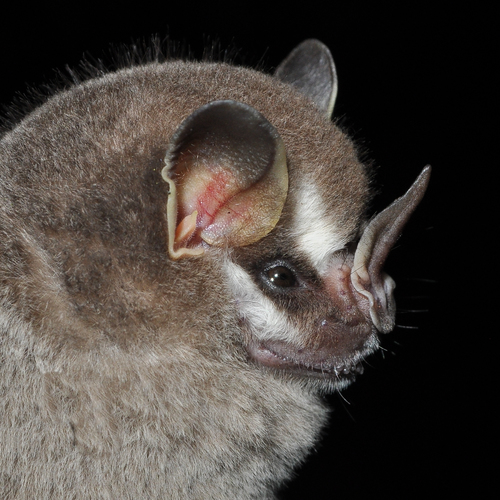
Gervais's Fruit-eating Bat
Dermanura cinerea
Least Concern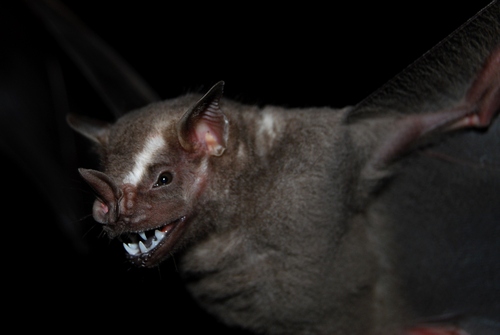
Great Fruit-eating Bat
Artibeus lituratus
Least Concern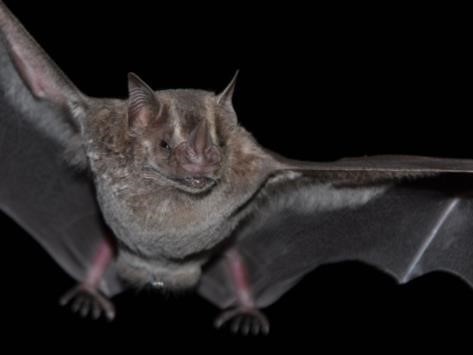
Large Fruit-eating Bat
Artibeus amplus
Least Concern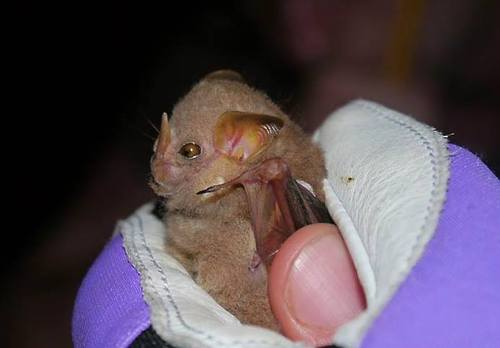
Little White-shouldered Bat
Ametrida centurio
Least ConcernNorthern Grass Mouse
Necromys urichi
Least Concern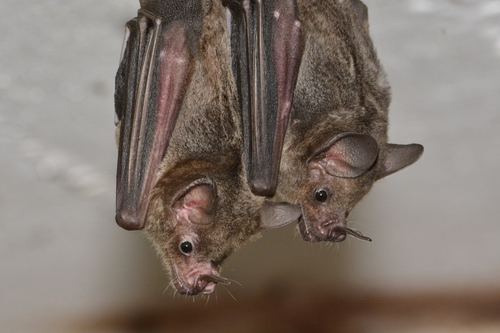
Seba's Short-tailed Bat
Carollia perspicillata
Least Concern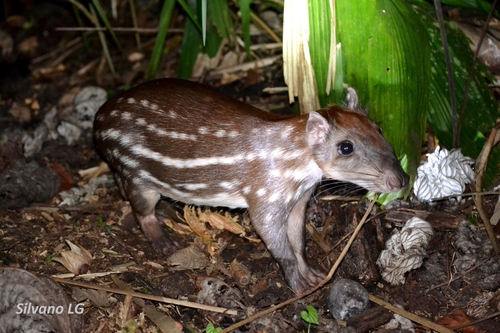
Spotted Paca
Cuniculus paca
Least Concern
Where to go from Trinidad & Tobago
The countries in North America that share the most species with Trinidad & Tobago, by number of species recorded in both.
Species data from the IUCN Red List; countries are derived from the range description of each assessment. Last refreshed on August 9, 2026.