
Large Rock-rat
Cremnomys elvira
Red List assessment
Critically Endangeredon the IUCN Red List
- EXExtinct
- EWExtinct in the Wild
- CRCritically Endangered
- ENEndangered
- VUVulnerable
- NTNear Threatened
- LCLeast Concern
The Large Rock-rat is recorded in one country, India across Asia. The IUCN Red List assesses the Large Rock-rat as Critically Endangered. No reliable population estimate exists; the species is known from very few specimens and sightings, suggesting a population that is extremely small or possibly declining.
- Family
- Muridae
- Order
- Rodentia
- Genus
- Cremnomys
- Countries recorded
- 1
- Continents
- Asia
- Red List category
- Critically Endangered
- Data updated
- August 9, 2026
What is the Large Rock-rat?
The Large Rock-rat is an extremely rare murid rodent endemic to a tiny area of the Eastern Ghats in Tamil Nadu, India. It is one of the least-known and most range-restricted rodents in the world, known from only a handful of specimens collected from rocky hill habitats. Its extreme rarity and highly localized distribution make it a flagship example of small-mammal conservation crisis in South Asia.
Where does the Large Rock-rat live?
Restricted to a small area of the Eastern Ghats in Tamil Nadu, southern India, particularly around Tiruvannamalai district.
Known only from the Eastern Ghats region of Tamil Nadu, India, with historical records concentrated near Tiruvannamalai; no confirmed populations exist elsewhere.
Altitude and depth
Approximately 300-800 meters above sea level in hilly rocky terrain.
Seasonal movements
No documented migratory behavior; activity may be reduced during the hottest, driest months when it likely retreats deeper into rock crevices.
Habitat of the Large Rock-rat
Inhabits rocky hill slopes and boulder-strewn outcrops within dry deciduous scrub forest, often associated with crevices and rock piles that provide shelter.
Adaptations to its environment
Possesses strong claws and a robust build suited for climbing and moving through rocky crevices, and likely has behavioral adaptations for thermoregulation in exposed rocky habitats with high daytime temperatures.
Conservation status and numbers
Listed as Critically Endangered by the IUCN due to its extremely restricted range, historical rarity in collections, and ongoing habitat degradation with no confirmed recent sightings in some survey efforts.
Estimated population
No reliable population estimate exists; the species is known from very few specimens and sightings, suggesting a population that is extremely small or possibly declining.
What threatens the Large Rock-rat?
Habitat loss from quarrying of rocky outcrops, agricultural expansion, urbanization near Tiruvannamalai, and potential impacts of climate change on its narrow habitat niche.
What is being done to protect it?
No specific conservation programs are known to target this species directly; general habitat protection in parts of the Eastern Ghats may incidentally benefit it, but dedicated surveys and protective measures are lacking.
Recommended actions
Urgent field surveys to confirm extant populations, legal protection of remaining rocky habitat, and inclusion in regional biodiversity action plans for the Eastern Ghats.
What the Large Rock-rat looks like
Grayish-brown dorsal fur transitioning to paler underparts, with a moderately long tail and relatively large ears typical of murid rodents adapted to rocky habitats.
Size
Body length approximately 15-18 cm, with a tail of similar or slightly greater length.
Weight
Estimated weight range of 60-90 grams, based on similar-sized Cremnomys species.
Distinctive features
Distinguished from related Cremnomys species by larger body size, distinct cranial features, and its highly restricted rocky habitat preference.
Behaviour and diet of the Large Rock-rat
Likely solitary or living in small family groups, consistent with the general social behavior of related rock-dwelling murid rodents, though direct observations are lacking.
When it is active
Presumed to be primarily nocturnal, seeking shelter in rock crevices during the day to avoid heat and predators.
Diet
Likely omnivorous, feeding on seeds, plant material, and possibly small invertebrates found among rocky habitats, based on the diet of related species.
Communication
Presumed to use scent marking and vocalizations typical of murid rodents, though no specific studies have documented communication in this species.
Interactions with other species
Likely predated upon by owls, snakes, and small carnivores native to the Eastern Ghats; specific interspecific relationships are undocumented.
Role in its ecosystem
As a rock-dwelling rodent, it likely plays a minor role in local seed dispersal and serves as prey for various small predators within its restricted habitat.
Reproduction and lifecycle
Breeding biology is virtually unknown; presumed to follow a pattern similar to related murid rodents with multiple litters possible during favorable seasons.
Raising the young
No specific data available, but likely follows typical murid rodent patterns where females provide primary care to altricial young in a nest within rock crevices.
Maturity and lifespan
Unknown, but likely similar to related rodents with sexual maturity reached within a few months and a lifespan of 1-3 years in the wild.
Taxonomy and naming of the Large Rock-rat
Classification
Class Mammalia > Order Rodentia > Family Muridae > Genus Cremnomys > Species Cremnomys elvira.
Scientific synonyms
Previously classified as Rattus elvira; also referred to under the genus Golunda in some older taxonomic treatments.
What research says
Recent studies
Very few recent studies exist; the species remains poorly studied with occasional mentions in regional biodiversity assessments of the Eastern Ghats.
Compared with similar species
Compared to the more widespread Cremnomys cutchicus, the Large Rock-rat is notably larger and has a much more restricted, rock-specific habitat preference.
The Large Rock-rat and people
This species is known from so few specimens that some researchers considered it possibly extinct before occasional confirmations of its continued existence; it is among the rarest rodents documented in India.
Where and how to see it
Observation is extremely difficult due to its rarity and nocturnal habits; any potential sighting would require targeted nighttime surveys in rocky habitats near Tiruvannamalai with permission from local wildlife authorities.
Risks to humans
No notable risk to humans.
Countries where the Large Rock-rat is recorded
The 1 countries named in the range description of its IUCN Red List assessment.
Questions about the Large Rock-rat
Where does the Large Rock-rat live?
The Large Rock-rat is recorded in India across Asia. These countries come from the range description of its IUCN Red List assessment, and they are what place the species on the interactive map.
Is the Large Rock-rat endangered?
Yes. The IUCN Red List assesses the Large Rock-rat as Critically Endangered, one of the three threatened categories. The species faces an extremely high risk of extinction in the wild. This is the last category before extinction, and it is reached through a very small or steeply declining population, a tiny range, or both.
How many are left in the wild?
No reliable population estimate exists; the species is known from very few specimens and sightings, suggesting a population that is extremely small or possibly declining. This figure comes from the species assessment on the IUCN Red List; population estimates for wild mammals are ranges, not counts, and are revised at each assessment.
What habitat does the Large Rock-rat live in?
Inhabits rocky hill slopes and boulder-strewn outcrops within dry deciduous scrub forest, often associated with crevices and rock piles that provide shelter.
What is the scientific name of the Large Rock-rat?
The Large Rock-rat is Cremnomys elvira, in the family Muridae, order Rodentia.
Other species in the genus Cremnomys
Other species in the family Muridae
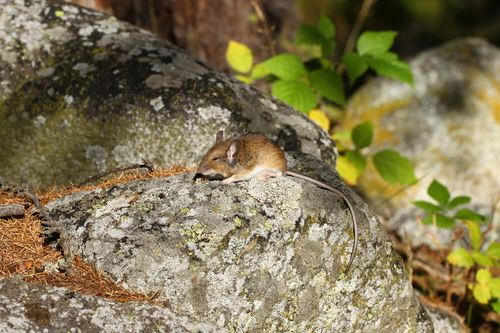
Species that share its range
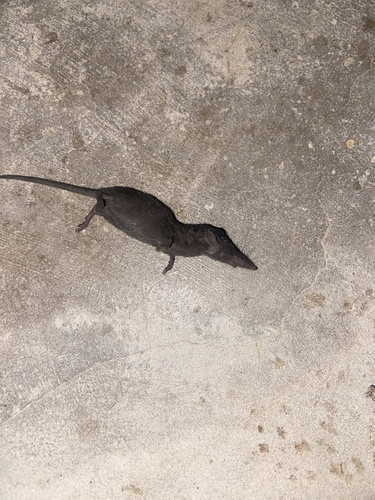
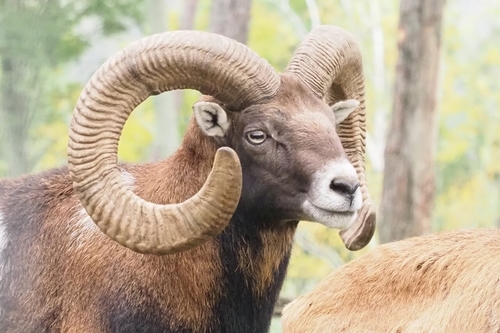
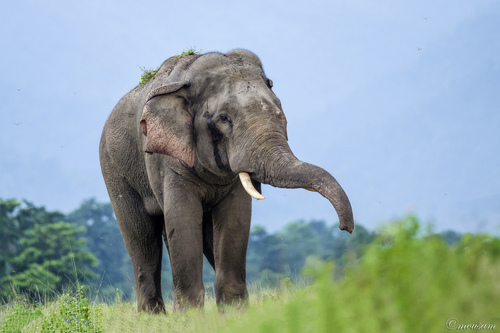
Sources
Conservation status, range description and population estimate come from the IUCN Red List assessment for Cremnomys elvira. Countries are derived from that range description, not from a mapped country list. Last refreshed on .
The distribution map is drawn from the IUCN Red List spatial data compiled in 2016. IUCN SSC Small Mammal Specialist Group