
Common Dolphin
Delphinus delphis
Red List assessment
Least Concernon the IUCN Red List
- EXExtinct
- EWExtinct in the Wild
- CRCritically Endangered
- ENEndangered
- VUVulnerable
- NTNear Threatened
- LCLeast Concern
The Common Dolphin is recorded in 4 countries across Africa, Asia, North America and Oceania. The IUCN Red List assesses the Common Dolphin as Least Concern. Global population estimated in the millions, likely exceeding 3-4 million individuals, with an overall stable trend globally though some regional populations are declining
- Family
- Delphinidae
- Order
- Cetartiodactyla
- Genus
- Delphinus
- Countries recorded
- 4
- Continents
- Africa, Asia, North America and Oceania
- Red List category
- Least Concern
- Data updated
- August 9, 2026
What is the Common Dolphin?
The common dolphin is a highly social, fast-swimming small cetacean found in warm-temperate to tropical waters across the globe. It is easily recognized by its distinctive hourglass color pattern on the flanks and its acrobatic surface behavior. This species is one of the most abundant and widely distributed dolphins in the world's oceans. It plays an important ecological role as a mid-level predator in marine food webs.
Where does the Common Dolphin live?
Widespread in temperate and tropical oceans worldwide, including the Mediterranean Sea, Atlantic Ocean, Pacific Ocean, and Indian Ocean
Found in tropical to temperate waters of the Atlantic, Pacific, and Indian Oceans, including the Mediterranean and Black Seas. Common in regions such as the Bay of Biscay, California Current, Gulf of Mexico, and waters off South Africa, Japan, and New Zealand.
Altitude and depth
Typically found from the surface down to about 200-280 meters depth, though capable of diving deeper; usually forages in waters over the continental shelf and slope
Seasonal movements
Exhibits seasonal movements linked to prey availability and water temperature, with some populations migrating toward warmer waters in winter and cooler productive waters in summer; not a true migratory species in all regions
Habitat of the Common Dolphin
Primarily pelagic, inhabiting offshore continental shelf and slope waters, though also found in some coastal areas with deep water access. Prefers warm-temperate to tropical waters, often associated with areas of high productivity such as upwelling zones and oceanic fronts.
Adaptations to its environment
Streamlined body and powerful tail fluke enable high-speed swimming and long-distance travel in open ocean environments. Echolocation allows effective hunting of fast-moving prey in deep or murky water, and a thick blubber layer provides insulation and energy storage.
Conservation status and numbers
Listed as Least Concern by the IUCN due to its large global population and wide distribution, though some regional populations (e.g., Mediterranean) are more threatened and classified separately as Endangered.
Estimated population
Global population estimated in the millions, likely exceeding 3-4 million individuals, with an overall stable trend globally though some regional populations are declining
What threatens the Common Dolphin?
Bycatch in commercial fishing gear (especially gillnets and purse seines) is the most significant threat, along with prey depletion from overfishing, pollution, and habitat degradation from noise and vessel traffic.
Diseases and parasites
Susceptible to morbillivirus outbreaks, as well as various parasites including nematodes, cestodes, and skin lesions caused by poxvirus infections
What is being done to protect it?
Protected under various national and international laws including the US Marine Mammal Protection Act and regional agreements like ACCOBAMS in the Mediterranean; bycatch reduction measures and marine protected areas have been implemented in several regions.
Recommended actions
Priority actions include reducing bycatch through modified fishing gear, protecting critical foraging habitats, monitoring regional population trends, and mitigating ocean noise pollution.
What the Common Dolphin looks like
Sleek, torpedo-shaped body with a distinctive hourglass or crisscross pattern of yellow-tan and gray coloring on the sides, dark gray back, and white belly. The dorsal fin is tall and curved, and the beak is moderately long and well-defined.
Size
Adults typically measure 1.7 to 2.4 meters in length, with the long-beaked forms generally larger than short-beaked forms
Weight
Weight ranges from about 80 to 235 kg, with males generally slightly larger than females
Distinctive features
The vivid hourglass pattern on the flanks distinguishes it from most other dolphin species, along with a relatively slender body and long, slim rostrum compared to bottlenose dolphins.
Differences between males and females
Males are typically slightly larger than females, but overt visual sexual dimorphism is minimal and difficult to distinguish in the field
Behaviour and diet of the Common Dolphin
Highly social, forming groups ranging from a few dozen to several thousand individuals, sometimes mixing with other dolphin species. Group structure is fluid with complex social bonds and cooperative behaviors such as coordinated hunting.
When it is active
Primarily diurnal but also active at night, with activity patterns often linked to prey movements such as vertical migration of deep-sea fish and squid
Diet
Carnivorous, feeding mainly on small schooling fish such as anchovies, sardines, and herring, as well as squid, adapting diet based on regional prey availability
How it feeds and hunts
Uses cooperative hunting strategies including herding fish into tight balls, high-speed pursuit, and echolocation to locate prey in deep or dark waters
Communication
Communicates through a variety of clicks, whistles, and burst-pulse sounds used for echolocation, social bonding, and coordination during hunting
Interactions with other species
Preyed upon occasionally by large sharks and orcas; often associates with other dolphin species and sometimes forages near tuna schools, leading to historical bycatch issues in tuna fisheries
Role in its ecosystem
Acts as a mid-trophic level predator, helping regulate populations of small schooling fish and squid while serving as prey for larger marine predators, contributing to overall marine ecosystem balance
Reproduction and lifecycle
Breeding can occur year-round in some populations but often peaks in spring and autumn; gestation lasts about 10-11 months, typically resulting in a single calf
Raising the young
Calves are cared for primarily by the mother through an extended nursing period of about 1 to 2 years, during which the calf learns social and hunting behaviors from the mother and pod
Maturity and lifespan
Reaches sexual maturity between 3 to 12 years depending on population and sex; lifespan in the wild is typically 20 to 35 years, sometimes exceeding 40 years
Taxonomy and naming of the Common Dolphin
Classification
Class Mammalia > Order Cetartiodactyla > Family Delphinidae > Genus Delphinus > Species Delphinus delphis
Subspecies
Delphinus delphis delphis (short-beaked common dolphin, widespread oceanic) and Delphinus delphis ponticus (Black Sea common dolphin, smaller and geographically isolated); some authorities also recognize the long-beaked form as a separate species (Delphinus capensis)
Scientific synonyms
Delphinus delphis was formerly considered to include Delphinus capensis as a subspecies; various regional names historically used include Delphinus bairdii and Delphinus tropicalis
What research says
Recent studies
Recent genetic and morphological studies continue to investigate whether long-beaked and short-beaked common dolphins should be classified as separate species, with implications for regional conservation status
Genome and DNA
Diploid chromosome number is 44, consistent with other delphinid species; genetic studies have been used to clarify taxonomic boundaries between short-beaked and long-beaked forms
Compared with similar species
Similar in general body shape to striped dolphins and bottlenose dolphins but distinguished by the unique hourglass color pattern and more slender build compared to the robust bottlenose dolphin
The Common Dolphin and people
Common dolphins can travel in superpods of over 10,000 individuals, one of the largest group sizes recorded among cetaceans. They are capable of swimming at speeds exceeding 60 km/h during bursts and are known for spectacular acrobatic leaps.
Where and how to see it
Best observed on boat-based whale-watching tours in areas like the Bay of Biscay, Southern California coast, and the Azores, particularly during spring and summer months when they often approach vessels to bow-ride
Risks to humans
No notable risk to humans; common dolphins are not aggressive and pose no direct threat, though caution should be used to avoid disturbing wild pods
Human uses
Historically hunted in some regions for meat and oil, though this practice has largely declined; today the species holds significant value for ecotourism through whale and dolphin watching industries
Myths and legends
Dolphins in general have long been symbols of protection, intelligence, and good luck across many maritime cultures, including ancient Greek mythology where they were associated with the god Apollo and seen as guides for lost sailors
Countries where the Common Dolphin is recorded
The 4 countries named in the range description of its IUCN Red List assessment.
Questions about the Common Dolphin
Where does the Common Dolphin live?
The Common Dolphin is recorded in Japan, Mexico, New Zealand and South Africa across Africa, Asia, North America and Oceania. These countries come from the range description of its IUCN Red List assessment, and they are what place the species on the interactive map.
Is the Common Dolphin endangered?
The IUCN Red List assesses the Common Dolphin as Least Concern. The species is widespread and abundant enough not to qualify for any threatened category. It does not mean the species is safe forever, only that nothing in the current data raises an alarm.
How many are left in the wild?
Global population estimated in the millions, likely exceeding 3-4 million individuals, with an overall stable trend globally though some regional populations are declining This figure comes from the species assessment on the IUCN Red List; population estimates for wild mammals are ranges, not counts, and are revised at each assessment.
What habitat does the Common Dolphin live in?
Primarily pelagic, inhabiting offshore continental shelf and slope waters, though also found in some coastal areas with deep water access.
What is the scientific name of the Common Dolphin?
The Common Dolphin is Delphinus delphis, in the family Delphinidae, order Cetartiodactyla.
Other species in the family Delphinidae
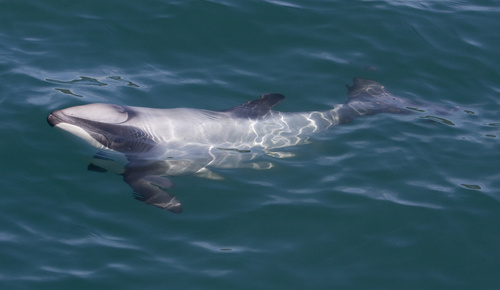
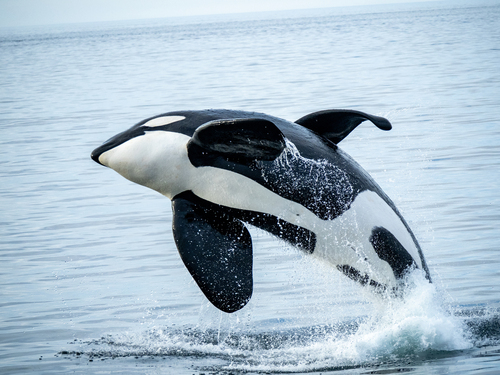
Species that share its range
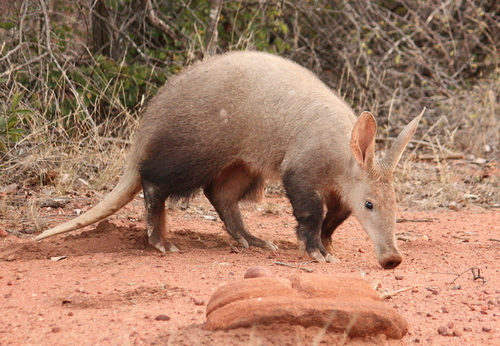
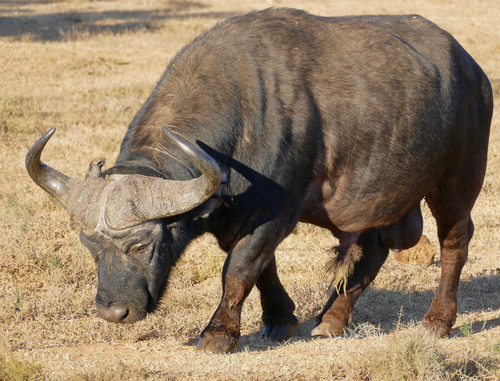
Sources
Conservation status, range description and population estimate come from the IUCN Red List assessment for Delphinus delphis. Countries are derived from that range description, not from a mapped country list. Last refreshed on .
The distribution map is drawn from the IUCN Red List spatial data compiled in 2021. IUCN (International Union for Conservation of Nature)