
Hispid Pocket Mouse
Chaetodipus hispidus
Red List assessment
Least Concernon the IUCN Red List
- EXExtinct
- EWExtinct in the Wild
- CRCritically Endangered
- ENEndangered
- VUVulnerable
- NTNear Threatened
- LCLeast Concern
The Hispid Pocket Mouse is recorded in 2 countries across North America. The IUCN Red List assesses the Hispid Pocket Mouse as Least Concern. Population size is not precisely quantified but is considered abundant and stable across much of its range, given its adaptability to disturbed habitats.
- Family
- Heteromyidae
- Order
- Rodentia
- Genus
- Chaetodipus
- Countries recorded
- 2
- Continents
- North America
- Red List category
- Least Concern
- Data updated
- August 9, 2026
What is the Hispid Pocket Mouse?
The Hispid Pocket Mouse is a medium-sized rodent native to the grasslands and prairies of central North America. It is named for its coarse, bristly fur and external fur-lined cheek pouches used for carrying seeds. This species is notable for its burrowing lifestyle and granivorous diet, playing a role in seed dispersal within grassland ecosystems.
Where does the Hispid Pocket Mouse live?
Central United States and northern Mexico, primarily the Great Plains region
Ranges from South Dakota and Nebraska south through Kansas, Oklahoma, and Texas into northern Mexico, with populations extending into parts of the Great Plains and southwestern United States.
Altitude and depth
Typically found at elevations from sea level up to about 2000 meters, mostly in lowland plains and prairie regions.
Seasonal movements
Exhibits reduced activity during winter months but does not undergo true hibernation; may enter torpor during extreme cold. Breeding activity peaks in spring and summer.
Habitat of the Hispid Pocket Mouse
Prefers open grasslands, prairies, and agricultural fields with sandy or loamy soils suitable for burrowing. Also found in areas with sparse vegetation and mixed grass-shrub habitats.
Adaptations to its environment
Has fur-lined external cheek pouches for efficient seed transport and storage, and is well-adapted to arid conditions with efficient kidney function to conserve water. Its burrowing behavior provides protection from temperature extremes and predators.
Conservation status and numbers
Listed as Least Concern by IUCN due to its wide distribution and generally stable population across its range, though local populations may be affected by habitat conversion.
Estimated population
Population size is not precisely quantified but is considered abundant and stable across much of its range, given its adaptability to disturbed habitats.
What threatens the Hispid Pocket Mouse?
Habitat loss due to agricultural conversion and urban development, along with pesticide use in farmland that can reduce food availability and directly harm individuals.
Diseases and parasites
Known to host various ectoparasites such as fleas and mites, and may carry pathogens associated with rodent-borne diseases though specific studies are limited.
What is being done to protect it?
No specific targeted conservation programs exist for this species, though it benefits indirectly from grassland and prairie conservation efforts aimed at broader ecosystem protection.
Recommended actions
Continued monitoring of population trends in agricultural areas and preservation of native grassland habitat to maintain healthy populations and genetic diversity.
What the Hispid Pocket Mouse looks like
Has coarse, bristly yellowish-brown to grayish fur on the back with white underparts, and a long tail with a slight tuft at the tip. Features external, fur-lined cheek pouches used for food transport.
Size
Body length ranges from 18 to 21 cm, including a tail that is typically longer than the body, measuring 9-11 cm.
Weight
Adults typically weigh between 25 and 47 grams, with males generally slightly larger than females.
Distinctive features
Distinguished from other pocket mice by its larger size, coarser hispid (bristly) fur texture, and longer tail relative to body length compared to similar Perognathus species.
Differences between males and females
Minimal sexual dimorphism; males tend to be marginally larger and heavier than females but coloration and general appearance are similar between sexes.
Behaviour and diet of the Hispid Pocket Mouse
Primarily solitary and territorial, with individuals maintaining separate burrow systems and interacting mainly during breeding season.
When it is active
Nocturnal, emerging from burrows at night to forage while avoiding daytime heat and visual predators.
Diet
Primarily granivorous, feeding on seeds of grasses and forbs, but also consumes some insects and green vegetation opportunistically.
How it feeds and hunts
Forages by searching the ground for seeds, using cheek pouches to collect and transport food back to burrow caches; does not actively hunt prey but may opportunistically consume insects encountered while foraging.
Communication
Communicates primarily through scent marking and some vocalizations, though detailed studies on specific calls are limited; body postures may signal aggression or submission.
Interactions with other species
Preyed upon by owls, snakes, foxes, and other grassland predators; competes with other rodent species for seed resources in shared habitats.
Role in its ecosystem
Plays an important role in grassland ecosystems as a seed disperser and prey species, contributing to soil aeration through burrowing activity.
Reproduction and lifecycle
Breeding season typically occurs from spring through late summer, with gestation lasting about 25 days and litters averaging 2 to 6 young.
Raising the young
Females provide sole parental care, nursing and protecting young in the burrow until they are weaned at around 3-4 weeks of age.
Maturity and lifespan
Reaches sexual maturity at approximately 2-3 months of age; lifespan in the wild is typically 1-2 years, potentially longer in captivity.
Taxonomy and naming of the Hispid Pocket Mouse
Classification
Mammalia > Rodentia > Heteromyidae > Chaetodipus > Chaetodipus hispidus
Subspecies
Several subspecies recognized including C. h. hispidus, C. h. paradoxus, and C. h. spilotus, differing slightly in coloration and distributed across different parts of the range from Texas to South Dakota and into Mexico.
Scientific synonyms
Perognathus hispidus (former genus placement before reclassification to Chaetodipus)
What research says
Recent studies
Recent phylogenetic studies have used molecular data to refine understanding of subspecies boundaries and relationships within the Heteromyidae family.
Genome and DNA
Diploid chromosome number is 2n=52; genetic studies have helped clarify taxonomic relationships within the Chaetodipus genus.
Compared with similar species
Similar to other pocket mice like Perognathus flavus but larger in size with coarser fur; distinguished from kangaroo rats (Dipodomys) by smaller size and different hindlimb proportions.
The Hispid Pocket Mouse and people
Despite living in dry grasslands, this species rarely needs to drink water, obtaining sufficient moisture from its seed diet through metabolic water production. It can carry large quantities of seeds in its cheek pouches, sometimes stockpiling food in underground caches for later use.
Where and how to see it
Best observed at night using red-filtered flashlights in prairie or grassland habitats across Texas, Oklahoma, or Kansas during warmer months when activity is highest.
Risks to humans
No notable risk to humans; occasional concern as a minor agricultural pest due to seed consumption, but not known to transmit significant diseases to people.
Countries where the Hispid Pocket Mouse is recorded
The 2 countries named in the range description of its IUCN Red List assessment.
Questions about the Hispid Pocket Mouse
Where does the Hispid Pocket Mouse live?
The Hispid Pocket Mouse is recorded in Mexico and United States across North America. These countries come from the range description of its IUCN Red List assessment, and they are what place the species on the interactive map.
Is the Hispid Pocket Mouse endangered?
The IUCN Red List assesses the Hispid Pocket Mouse as Least Concern. The species is widespread and abundant enough not to qualify for any threatened category. It does not mean the species is safe forever, only that nothing in the current data raises an alarm.
How many are left in the wild?
Population size is not precisely quantified but is considered abundant and stable across much of its range, given its adaptability to disturbed habitats. This figure comes from the species assessment on the IUCN Red List; population estimates for wild mammals are ranges, not counts, and are revised at each assessment.
What habitat does the Hispid Pocket Mouse live in?
Prefers open grasslands, prairies, and agricultural fields with sandy or loamy soils suitable for burrowing.
What is the scientific name of the Hispid Pocket Mouse?
The Hispid Pocket Mouse is Chaetodipus hispidus, in the family Heteromyidae, order Rodentia.
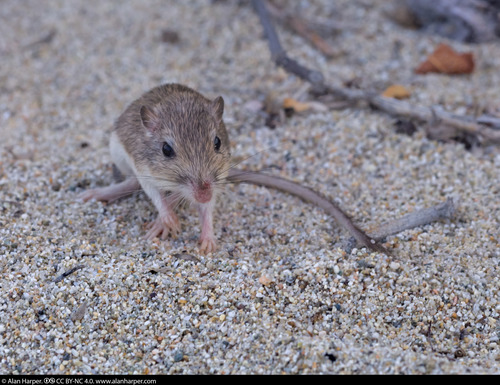
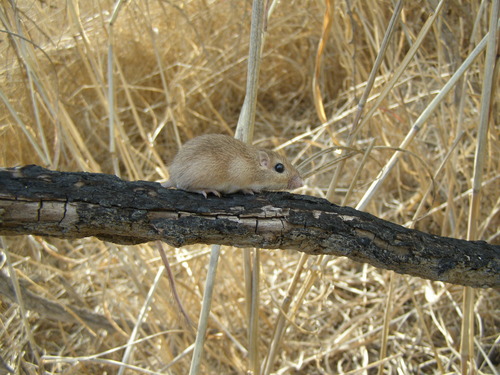
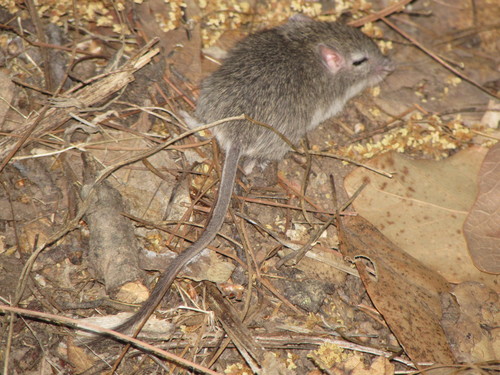
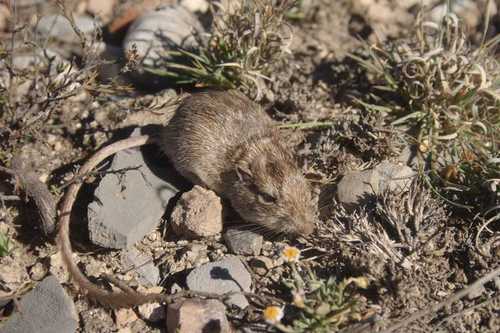
Other species in the genus Chaetodipus
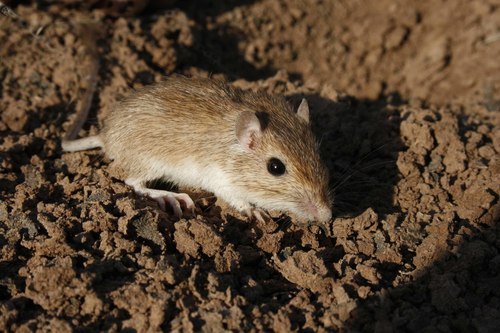
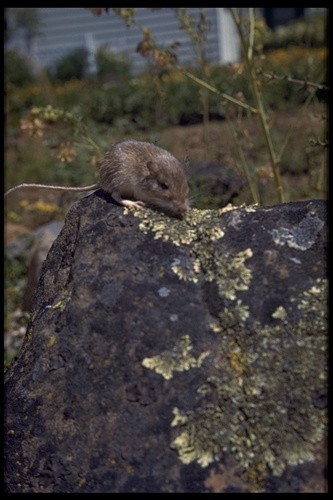
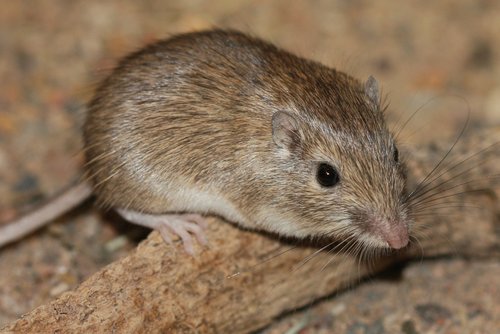
Other species in the family Heteromyidae
Sources
Conservation status, range description and population estimate come from the IUCN Red List assessment for Chaetodipus hispidus. Countries are derived from that range description, not from a mapped country list. Last refreshed on .
The distribution map is drawn from the IUCN Red List spatial data compiled in 2008. IUCN (International Union for Conservation of Nature)