
Hispaniolan Edible Rat
Brotomys voratus
Red List assessment
Extincton the IUCN Red List
- EXExtinct
- EWExtinct in the Wild
- CRCritically Endangered
- ENEndangered
- VUVulnerable
- NTNear Threatened
- LCLeast Concern
The Hispaniolan Edible Rat is recorded in 2 countries across North America. The IUCN Red List assesses the Hispaniolan Edible Rat as Extinct. No living population exists; the species is extinct.
- Family
- Echimyidae
- Order
- Rodentia
- Genus
- Brotomys
- Countries recorded
- 2
- Continents
- North America
- Red List category
- Extinct
- Data updated
- August 9, 2026
What is the Hispaniolan Edible Rat?
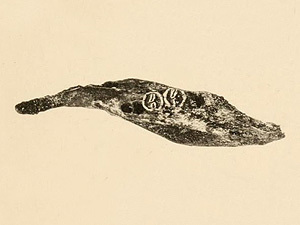
Brotomys voratus was a medium-sized spiny rat endemic to the island of Hispaniola, known only from subfossil bone remains found in caves and kitchen middens. It belonged to the Caribbean echimyid radiation, a group of rodents that diversified on West Indian islands in the absence of native predators. The species is remarkable for having been a significant food source for the indigenous Taíno people prior to European contact, hence its common name. It became extinct shortly after European colonization due to introduced predators and habitat disruption.
Where does the Hispaniolan Edible Rat live?
Hispaniola (Dominican Republic and Haiti), Caribbean
Endemic to the island of Hispaniola, encompassing present-day Haiti and the Dominican Republic in the Greater Antilles, Caribbean Sea. Fossil and subfossil deposits indicating its presence have been found in various cave sites across the island.
Altitude and depth
Estimated to have occupied lowland to mid-elevation habitats, roughly 0-1000 meters above sea level, though precise altitudinal range is unknown due to the fragmentary fossil record.
Habitat of the Hispaniolan Edible Rat
Likely inhabited lowland and montane forests, as well as limestone cave systems used for shelter, based on the contexts in which subfossil remains have been recovered. It probably favored humid forested areas with dense understory vegetation typical of pre-Columbian Hispaniola.
Adaptations to its environment
As an island endemic evolving without major mammalian predators, it likely lacked strong anti-predator adaptations, making it highly vulnerable once introduced predators arrived. Its robust dentition and body size suggest adaptations for a herbivorous or omnivorous diet based on available island vegetation.
Conservation status and numbers
Classified as Extinct (EX) by the IUCN; the species has not been recorded alive since shortly after European colonization in the 15th-16th centuries and is known only from subfossil remains.
Estimated population
No living population exists; the species is extinct. Historical population size is unknown but presumed to have been locally abundant given its apparent role as a food source for indigenous peoples.
What threatens the Hispaniolan Edible Rat?
Primary causes of extinction include predation by introduced species such as black rats, domestic cats, and later mongooses, along with habitat destruction from deforestation and agricultural expansion following European colonization. Overhunting by indigenous and early colonial populations may have also contributed to its decline.
What is being done to protect it?
No conservation efforts are possible as the species is extinct; however, paleontological and archaeological research continues to study its remains to better understand Caribbean extinction patterns and pre-Columbian faunal communities.
Recommended actions
Continued paleoecological research to document the timing and causes of extinction can inform conservation strategies for surviving Caribbean rodents. Protecting remaining native Hispaniolan rodent species from similar threats (invasive predators, habitat loss) is a priority informed by this extinction.
What the Hispaniolan Edible Rat looks like
Likely resembled other Caribbean spiny rats with a robust body, coarse or spiny fur, and a moderately long tail, though soft tissue characteristics remain unknown since no preserved skins or complete specimens exist. Coloration is undocumented.
Size
Estimated body length of approximately 25-35 cm based on skeletal remains, though exact measurements are uncertain due to the incomplete fossil record.
Weight
Estimated body weight of roughly 300-500 grams, inferred from comparable-sized echimyid rodents and skeletal proportions.
Distinctive features
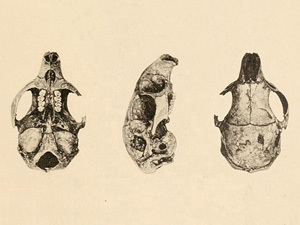
Distinguished from related genus Brotomys' other species (B. contractus) primarily by differences in dental morphology and skull proportions observed in subfossil specimens. Its larger size compared to some other Hispaniolan echimyids may have made it a preferred food source for humans.
Behaviour and diet of the Hispaniolan Edible Rat
Social behavior is unknown due to the absence of living specimens or detailed behavioral records; related echimyid rodents are often solitary or live in small family groups.
When it is active
Activity pattern is undocumented, but related spiny rats are typically nocturnal or crepuscular, foraging under cover of darkness to avoid predation.
Diet
Presumed to have been herbivorous or omnivorous, feeding on fruits, seeds, roots, and possibly some invertebrates, based on dietary patterns of related Caribbean echimyid rodents.
Communication
Unknown; likely relied on olfactory and vocal cues typical of rodents for social interaction and territory marking.
Interactions with other species
Prior to European contact, likely had few natural predators aside from birds of prey and native boas; became critically vulnerable after introduction of rats, cats, and mongooses by colonizers. Also served as prey for indigenous human populations.
Role in its ecosystem
Likely played a role as a seed disperser or forest floor forager, contributing to nutrient cycling and plant regeneration within Hispaniolan forest ecosystems prior to its extinction.
Reproduction and lifecycle
Reproductive biology is unknown; related rodent species typically have short gestation periods and produce small litters of altricial young several times per year.
Raising the young
No direct data exists; presumed to follow typical rodent patterns where females provide primary care for altricial offspring in nests until weaning.
Maturity and lifespan
Unknown; related rodent species typically reach sexual maturity within a few months and have lifespans of 2-5 years in the wild.
Taxonomy and naming of the Hispaniolan Edible Rat
Classification
Mammalia > Rodentia > Echimyidae > Brotomys > Brotomys voratus
Scientific synonyms
Originally described by Gerrit S. Miller in 1929; no widely recognized synonyms exist beyond the original description.
What research says
Recent studies
Recent paleontological studies using subfossil remains continue to refine understanding of Caribbean rodent extinctions, including radiocarbon dating that places the disappearance of Brotomys voratus in the early colonial period. Ancient DNA studies on related Hispaniolan rodents are ongoing to clarify phylogenetic relationships.
Compared with similar species
Closely related to Brotomys contractus, the other species in the genus, with differences primarily in size and dental characteristics; both belong to a broader radiation of Caribbean echimyid rodents that included giant hutias and other now-extinct forms.
The Hispaniolan Edible Rat and people
Its species name 'voratus' reflects its historical role as a food item, indicating it was likely hunted and eaten by the indigenous Taíno people. It is one of many Caribbean mammal species that vanished rapidly following European contact, illustrating the dramatic ecological impact of colonization.
Where and how to see it
As an extinct species, no live observation is possible; interested individuals can view subfossil remains in natural history museum collections specializing in Caribbean paleontology.
Risks to humans
No notable risk, as the species is extinct.
Human uses
Historically hunted and consumed as a food source by indigenous Taíno populations on Hispaniola prior to and shortly after European contact.
Countries where the Hispaniolan Edible Rat is recorded
The 2 countries named in the range description of its IUCN Red List assessment.
Questions about the Hispaniolan Edible Rat
Where does the Hispaniolan Edible Rat live?
The Hispaniolan Edible Rat is recorded in Dominican Republic and Haiti across North America. These countries come from the range description of its IUCN Red List assessment, and they are what place the species on the interactive map.
Is the Hispaniolan Edible Rat endangered?
The IUCN Red List assesses the Hispaniolan Edible Rat as Extinct. No reasonable doubt remains that the last individual has died. A species is only declared Extinct after exhaustive surveys of its known range, at the times and in the seasons it would be expected to appear, have failed to record it.
How many are left in the wild?
No living population exists; the species is extinct. This figure comes from the species assessment on the IUCN Red List; population estimates for wild mammals are ranges, not counts, and are revised at each assessment.
What habitat does the Hispaniolan Edible Rat live in?
Likely inhabited lowland and montane forests, as well as limestone cave systems used for shelter, based on the contexts in which subfossil remains have been recovered.
What is the scientific name of the Hispaniolan Edible Rat?
The Hispaniolan Edible Rat is Brotomys voratus, in the family Echimyidae, order Rodentia.
Other species in the family Echimyidae
Species that share its range
Sources
Conservation status, range description and population estimate come from the IUCN Red List assessment for Brotomys voratus. Countries are derived from that range description, not from a mapped country list. Last refreshed on .